
Outside Colorado? Get Free Shipping + No Sales Tax in Most States

Choosing between a bagged vs bagless vacuum is not just a preference call. In Colorado, dry air, fine dust, pet hair, tracked-in grit, and seasonal allergens can expose the strengths and weaknesses of each design quickly. The right vacuum should protect your floors, your indoor air, and your time, not turn maintenance into another chore.
Need help choosing the right vacuum for your floors and allergies? Visit one of our Rocky Mountain Sewing & Vacuum Colorado locations for an in-store consultation and a hands-on vacuum comparison.
Here is the short answer: bagged vacuums are usually the better fit for allergy-sensitive homes, heavy dust, and people who want clean, simple disposal. Bagless vacuums can work well for shoppers who want to see what they picked up, avoid buying bags, and do not mind more frequent bin and filter cleaning. The best choice depends on your floors, pets, allergies, storage space, and how much hands-on maintenance you are willing to do.
A bagged vacuum collects dirt in a replaceable bag inside the machine. When the bag is full, you remove it and throw it away. Many premium bagged systems use self-sealing bags and layered filtration to keep dust contained during cleaning and disposal.
A bagless vacuum collects dirt in a reusable plastic bin. You empty the bin into the trash, then clean or replace filters on the schedule recommended for that model. This can reduce bag purchases, but it also puts you closer to the dust each time you empty the machine.
| Factor | Bagged Vacuum | Bagless Vacuum |
|---|---|---|
| Dust disposal | Cleaner, especially with self-sealing bags | More direct dust exposure when emptying the bin |
| Allergy control | Often better when paired with sealed HEPA filtration | Depends heavily on filter care and emptying technique |
| Pet hair | Strong option for homes with dander and fine debris | Convenient for frequent pickups, but bins may fill quickly |
| Ongoing cost | Replacement bags and filters | Replacement filters, no bags |
| Maintenance | Simple bag changes, less dust-bin washing | More bin washing and filter cleaning |
| Best for | Allergies, dust control, low-mess maintenance | Visible debris checks and quick frequent cleanups |
Colorado homes ask a lot from a vacuum. Our climate is dry, which means fine dust stays airborne more easily. Many homes combine carpeted bedrooms, hard-surface main floors, area rugs, stairs, pet beds, entry mats, and upholstery. Add spring pollen, wildfire smoke residue in some seasons, winter road grit, and the everyday trail of pet hair, and filtration starts to matter as much as suction.
At higher elevation, the bigger issue for most homeowners is not that a vacuum suddenly stops working. It is that fine debris and static-prone dust can reveal leaks in a poorly sealed system. A strong motor is helpful, but airflow, bag or bin design, brush roll selection, hose integrity, and filter fit all work together. A vacuum that pulls debris from carpet but releases dust when you empty it has only solved half the problem.
This is why we tend to talk about vacuums as systems, not just appliances. A premium vacuum should move air efficiently, capture debris, seal that debris inside the machine, and make maintenance realistic for the person using it every week.
For many households, yes. Bagged vacuums are often the better choice for allergies because the dirt stays contained inside a removable bag. That matters most when the bag comes out of the machine. With a quality self-sealing bag, you are not shaking a dust cup over the trash while the finest particles float back toward your face.
The advantage gets stronger when the vacuum uses a sealed filtration system. HEPA filtration is designed to capture very small particles, and many allergy-focused vacuums combine a high-filtration bag with an exhaust filter. Rocky Mountain Sewing & Vacuum has previously covered this allergy angle in more detail in our guide to bagged vacuum cleaners for allergy sufferers.
Bagged vacuums also tend to be easier for customers who do not want to touch the dirt. If you have asthma triggers, pet dander sensitivity, dust sensitivity, or a house full of fine Colorado grit, that cleaner disposal experience is not a small detail. It can be the difference between vacuuming helping your air quality and vacuuming becoming the thing that stirs everything back up.
Bagless vacuums have a real place. The clear bin gives immediate feedback, which some people love. You can see the pet hair, thread snippets, cereal crumbs, pine needles, and tracked-in debris as you clean. If you prefer quick visual confirmation and do not want to stock bags, a bagless design may feel convenient.
Bagless can also make sense for light-duty cleanup areas where debris is larger and allergy concerns are low. A mudroom, craft space, garage-adjacent area, or quick kitchen sweep may not need the same containment strategy as a bedroom used by an allergy-sensitive sleeper. Some cordless and compact models are designed around convenience more than deep whole-home filtration.
The tradeoff is maintenance discipline. A bagless vacuum is only as good as its airflow path. If the bin is overfilled, the cyclones are coated, or the filter is packed with fine dust, performance drops. You may not be buying bags, but you are still paying with time, filter replacements, and regular cleaning.
Pet homes need two things from a vacuum: mechanical pickup and air containment. Mechanical pickup comes from the brush roll, suction path, floorhead design, and whether the vacuum can handle hair without constant tangles. Air containment comes from bags, seals, and filters.
Bagged vacuums are often a strong fit for pet owners because dander is fine and clingy. Hair is visible, but dander and dust are the particles that can affect comfort long after the carpet looks clean. A bagged system keeps that debris contained when you remove the bag. This is especially helpful if your dog loves the couch, your cat claims the sunny rug, or your home has both carpet and hard floors.
Bagless vacuums can be useful for frequent pet-hair pickups because you can empty the bin often and see when it is full. The caution is that hair can fill a bin faster than expected, and dander can coat filters. If you go bagless in a pet home, choose a model with strong filtration, easy filter access, and a bin design you can empty outdoors or into a deep trash bag without creating a dust cloud.
Want to compare premium vacuum options side by side? Start with our SEBO vacuum collection, then stop by a store so our team can match the right floorhead, filtration level, and vacuum style to your home.
Maintenance is where many vacuum decisions become clear. A bagged vacuum needs replacement bags and periodic filter changes. That is the obvious cost. The benefit is that maintenance is simple: remove the bag, install a new one, and keep cleaning. On many premium bagged systems, the bag also acts as a major part of the filtration system, so every bag change refreshes performance.
A bagless vacuum removes bag purchases, but it does not remove maintenance. The bin has to be emptied before it is packed tight. Filters need to be cleaned or replaced. Seals, screens, and cyclonic chambers may need attention. If fine dust builds up, airflow suffers. If washable filters are reinstalled before fully dry, odor and performance problems can follow.
Think honestly about your habits. If you are the person who will rinse filters, let them dry completely, and check the bin after every use, bagless can work. If you want the least messy path to steady performance, bagged is usually friendlier.
The long-term cost question is not as simple as bags versus no bags. A bagged vacuum has a known consumable cost. You will buy bags and filters. A bagless vacuum avoids bags, but filters, replacement parts, brush rolls, batteries on cordless models, and extra maintenance time still count.
There is also the cost of choosing a machine that does not fit your home. A vacuum that struggles with thick carpet, scratches at the edges of a delicate rug, or blows fine dust back into a room can become frustrating quickly. Replacing the wrong vacuum is more expensive than maintaining the right one.
For many Colorado households, a premium bagged vacuum wins on value when the priority is clean disposal, stable airflow, durable construction, and repairability. A bagless model may win for a smaller space, quick pickups, or a customer who values visible dirt collection and accepts the extra cleaning routine.
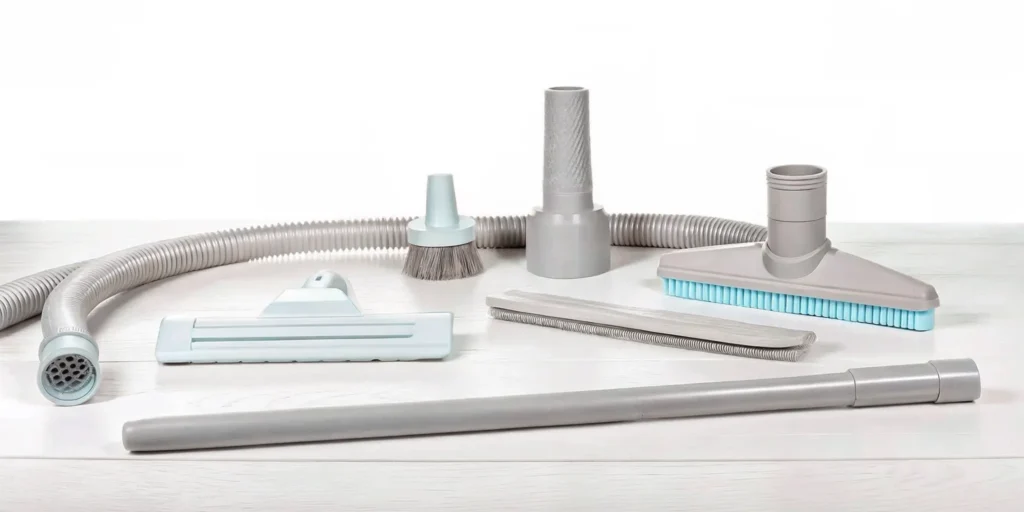
The bagged vs bagless decision matters, but floor compatibility matters just as much. A home with wall-to-wall carpet and pets needs a different setup than a townhome with hardwood, area rugs, and stairs. The vacuum body style, floorhead, brush roll, suction control, and attachments should match the surfaces you actually clean.
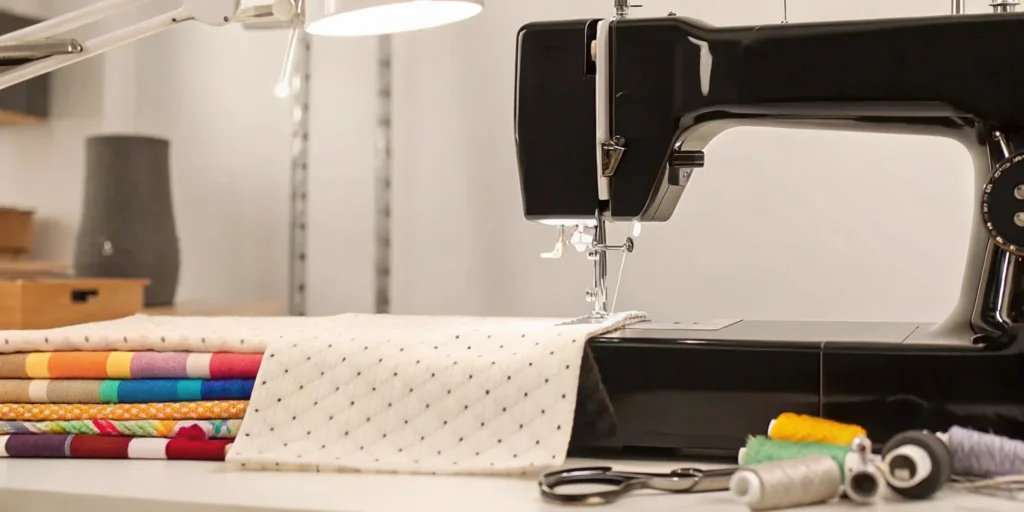
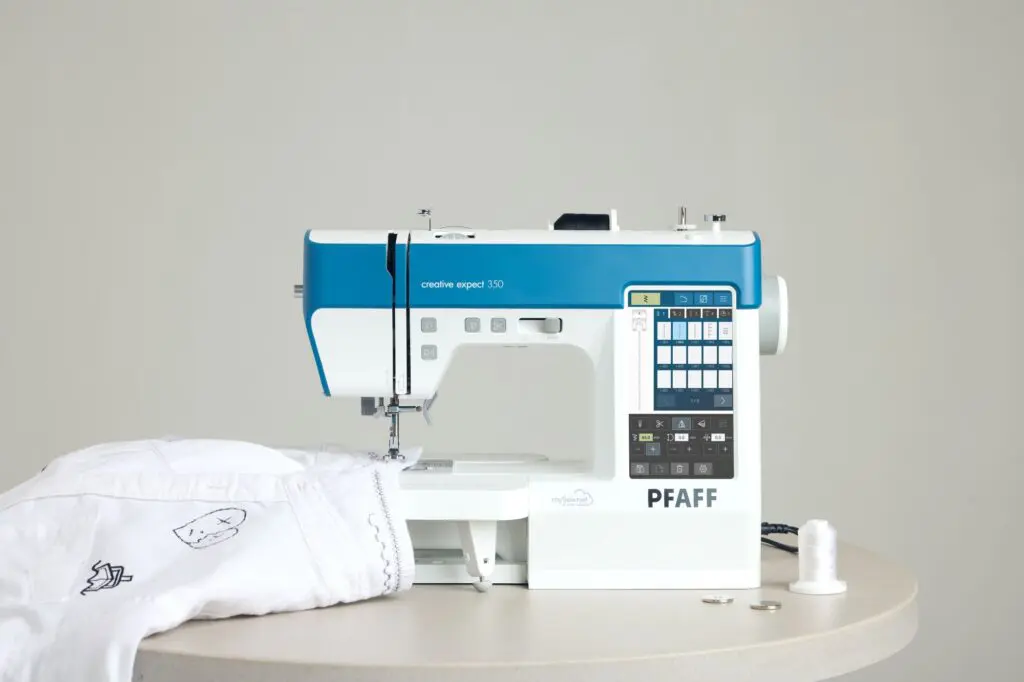
If you sew, quilt, or embroider at home, this last point is worth special attention. Thread tails and fabric lint behave differently than ordinary household dust. A good vacuum can help protect your creative space, but you still want the right attachments and a serviceable design.
When customers ask us about premium vacuums, SEBO and Miele come up often because they focus on durability, filtration, parts availability, and long-term ownership. These are not throwaway cleaning tools. They are machines meant to be maintained, serviced, and matched to a household.
SEBO is known for practical engineering, strong filtration options, excellent serviceability, and upright and canister models that suit different homes. Miele is known for sealed systems, refined canister designs, and excellent filtration on many models. If you are weighing premium options, our SEBO vs Miele comparison is a helpful next read.
The important part is fit. A beautiful canister that is wrong for your carpet is not the right vacuum. A powerful upright that feels awkward on stairs may not make you happy either. This is where an in-store demonstration helps. You can feel the weight, test the handle, compare noise, ask about bags and filters, and see how each machine transitions between surfaces.
Use this quick guide if you are trying to decide today.
Need bags, filters, or help finding the right replacement part? Browse our vacuum bags and filter options or bring your vacuum information to a Rocky Mountain Sewing & Vacuum store for help from our team.
A vacuum is easier to own when you can maintain it. Rocky Mountain Sewing & Vacuum services many vacuum brands, including premium and household names, through our dedicated service operation. That matters because clogs, worn belts, damaged hoses, brush roll problems, filter issues, and loss of suction are often fixable.
Before replacing a vacuum that has lost performance, consider having it checked. Sometimes the issue is a clogged hose, full bag, packed filter, or worn brush strip. Other times, a repair estimate helps you decide whether to maintain the current machine or invest in a better match for your home.
Our repair services page explains our service approach. Despite the page name, our service operation includes vacuum cleaner support, and our stores can help route your machine for evaluation.
A bagged vacuum is usually better for allergies because debris stays sealed in the bag during disposal. For best results, choose a model with strong sealed filtration and replace bags and filters on schedule.
They can if the bin, screens, cyclones, or filters are not cleaned regularly. Bagless vacuums depend on open airflow. Once fine dust coats the filter path, performance can drop.
Bagged vacuums are often better for pet dander containment, while brush roll and floorhead design determine how well a vacuum picks up visible hair. Pet homes should consider both pickup power and filtration.
Not always. Bagless vacuums remove bag purchases, but filters, parts, batteries on cordless units, and extra maintenance still have value. Total cost depends on model quality and how well it fits your home.
Follow the manufacturer schedule for your model. As a practical rule, change bags before they are packed full and replace or clean filters whenever airflow drops, odors appear, or the maintenance indicator calls for it.
For many Colorado homes, a bagged vacuum is the safer recommendation because it handles fine dust, allergens, pet dander, and disposal more cleanly. Bagless vacuums can still be useful, especially for quick visible cleanups, but they ask more from the owner in filter care and dust-bin maintenance.
The best vacuum is the one that fits your floors, your lungs, your pets, and your habits. If you are comparing bagged vs bagless vacuum options, come see us in person. We will help you test the differences, understand the maintenance, and choose a machine built for the way your Colorado home actually lives.
Ready for expert guidance? Visit a Rocky Mountain Sewing & Vacuum location to compare premium vacuums, ask about bags and filters, and get help choosing a vacuum you can count on for years.