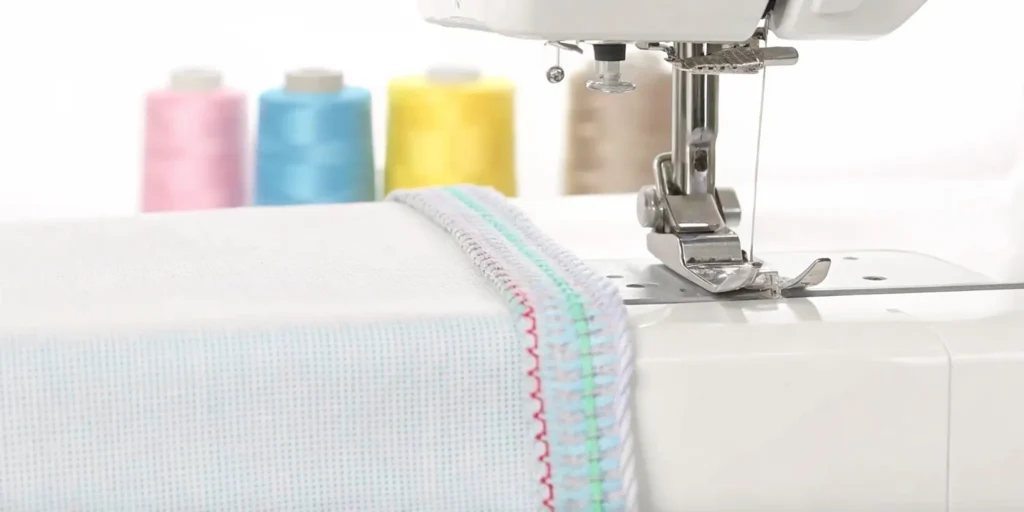


A Bernina sewing machine is a long-term creative investment for sewists who care about stitch quality, control, and a machine that feels steady under real projects, not just test scraps. Whether you are piecing a queen-size quilt, fitting a jacket, learning machine embroidery, or finally tackling the UFO stack in your sewing room, the right Bernina can make your work feel calmer, cleaner, and more predictable.
Ready to compare models in person? Visit our Bernina sewing machines online or stop by one of our Colorado store locations to test stitch quality, workspace, and features with a real project sample.
I am Rob Richards, founder of Rocky Mountain Sewing & Vacuum. Our team works with quilters, garment sewists, embroidery artists, and brand-new makers every day in Arvada, Aurora, Colorado Springs, and Littleton. The best Bernina for you is not always the largest one on the floor. It is the machine that matches how you sew now and how you want to sew three years from now.
This guide explains why Bernina has such a loyal following, how to think through the major model families, which features matter most for quilting, garment sewing, and embroidery, and what you should test before you buy.
Choose a Bernina sewing machine if you want a premium machine known for precise stitch formation, strong fabric control, durable engineering, and a dealer support experience that helps you get the most from the machine. Bernina is especially appealing for sewists who notice details: balanced tension, clean topstitching, smooth feeding, accurate quarter-inch seams, and the ability to fine-tune settings for different fabrics and techniques.
For many customers, the biggest reason to choose Bernina is confidence. A good machine should not make you second-guess every skipped stitch, wavy seam, or tension loop. Bernina machines are built for sewists who want to grow into more demanding projects and keep the same machine for years.

Bernina’s reputation comes from a combination of engineering, stitch control, and a very hands-on sewing experience. These machines are not designed to hide every setting from you. They give you clear control over stitch length, stitch width, needle position, tension, presser foot pressure, and speed, so you can match the machine to the fabric and technique.
When customers sit down at a Bernina for the first time, they often notice the stitch formation before anything else. Straight stitches look balanced. Decorative stitches have definition. Buttonholes look consistent. For garment sewists, that matters on collars, cuffs, hems, facings, and topstitching. For quilters, it shows up in clean piecing and even quilting lines.
Most sewists do not work with perfect cotton squares all day. You may be sewing rayon one week, denim the next, then a layered quilt sandwich over the weekend. Bernina machines give you the tools to manage those changes. Adjustable presser foot pressure, needle position, thread tension, and specialty feet help you handle shifting fabrics, bulky seams, and delicate edges with less frustration.
Bernina presser feet are one of the reasons sewists stay with the brand. The right foot can transform a technique from fussy to repeatable. Patchwork feet help with accurate seams. Edgestitch feet make topstitching cleaner. Free-motion and rulerwork options support quilting. The accessory system is deep, which means your machine can grow with your skills.
A premium machine is easier to love when you have people nearby who can teach it, service it, and help you decide which accessories actually make sense. At Rocky Mountain Sewing & Vacuum, we carry, service, and teach on the brands we sell. That local support is a major part of the value, especially if you are moving into computerized sewing, quilting, or embroidery for the first time.
The best way to choose a Bernina is to start with your projects, not the model number. A quilter needs different things than a garment sewist. An embroidery artist needs hoop support and design workflow. A multi-project maker may need a balanced machine that handles all three without pushing too far in one direction.
Quilters should pay close attention to throat space, feed quality, visibility, needle control, and whether the machine supports the Bernina Stitch Regulator, often called BSR. Throat space determines how comfortably you can manage larger quilt sandwiches. Feed quality affects piecing accuracy. Needle stop down, knee lift, and speed control make free-motion and applique work feel smoother.
For quilting-focused shoppers, compare models such as the Bernina 475 QE, Bernina 540, and Bernina 770 QE Plus. Each one can serve a quilter well, but they offer different levels of workspace, automation, stitch capacity, and expansion.
Garment sewists should test stitch quality on the fabrics they actually wear and sew: knits, denim, linen, wool, rayon, and layered seams. Look for adjustable presser foot pressure, clean buttonholes, accurate needle positioning, reliable edge finishing, and good visibility around the needle. A machine that makes a beautiful straight stitch but struggles with knits may not be the right fit if your queue is full of T-shirts and activewear.
The Bernina 335 is a strong compact option for many garment sewists, while the 5 Series and 7 Series add more space, more stitch options, and advanced control for sewists who want room to grow.
Embroidery changes the buying conversation. You are no longer choosing only a sewing machine. You are choosing hoop sizes, design transfer workflow, stitch-out speed, editing features, and long-term creative room. If embroidery is a serious goal, look at machines that are built for sewing, quilting, and embroidery, or machines that allow you to add an embroidery module when you are ready.
We also recommend browsing our embroidery machines category so you can compare dedicated embroidery features against combination sewing and embroidery models.
Need help narrowing the field? Bring a fabric sample to a Rocky Mountain Sewing & Vacuum store and ask our team to help you test a Bernina against your actual projects. That 15-minute test often answers more than hours of online comparison.
Bernina model families can feel confusing at first, but the basic pattern is straightforward. As you move up the line, you generally gain workspace, automation, stitch capacity, screen size, quilting support, and embroidery options. The goal is not to buy the highest series automatically. The goal is to buy enough machine that you will not outgrow it too quickly.
| Bernina option | Best fit | What to notice |
|---|---|---|
| Bernina 335 | Garment sewists, compact sewing spaces, skill-building makers | Color touchscreen, adjustable pressure, free arm, 160 mm sewing space, up to 900 stitches per minute |
| Bernina 475 QE | Quilters who want precision in a smaller footprint | Jumbo Bobbin, Patchwork Foot #37, automatic thread cutter, over 500 built-in stitches |
| Bernina 540 | Multi-project sewists who want more stitch control and quilting capability | Bernina Hook, jumbo bobbin, BSR enabled, 9 mm maximum stitch width, strong creative feature set |
| Bernina 770 QE Plus | Serious quilters and advanced sewists planning larger projects | 10-inch throat space, Dual Feed, BSR included, electric presser foot lift, embroidery capable |
For quilting, do not judge a machine by stitch count alone. A huge stitch library is nice, but the daily quilting experience depends on space, feed, control, and visibility.
If you mostly piece quilt tops and send them to a longarmer, you may not need the largest machine. If you plan to quilt bed-size projects yourself, workspace and BSR support become much more important. You can also compare broader options in our quilting machines collection.
Garment sewing asks a machine to be precise and adaptable. Before buying, test straight stitches, zigzags, stretch stitches, buttonholes, topstitching, and seam intersections. Bring the type of fabric you actually sew. A denim hem, ponte knit, silk-like woven, and layered waistband will teach you more than a showroom cotton square.
Pay special attention to buttonholes. If you sew shirts, dresses, coats, or trousers, buttonhole consistency matters. Also test edge stitching and topstitching with the appropriate foot. A Bernina that lets you shift the needle in small increments can make a visible difference on plackets, collars, bags, and hems.
For garment sewists who also quilt, the sweet spot is often a machine with enough throat space for occasional quilting and enough fine control for fabric variety. The Bernina 335, 475 QE, and 540 are all worth testing depending on your sewing room, projects, and growth plans.
Embroidery is exciting, but it is also a workflow. You will think about stabilizer, hooping, thread changes, design placement, and software. If you only want to monogram the occasional towel, your needs are different from someone who wants jacket backs, quilt labels, in-the-hoop projects, or dense designs.
When testing embroidery-capable Bernina models, ask about maximum embroidery area, compatible hoops, design transfer, editing on screen, and which accessories are included. If you are not ready for embroidery today but may want it later, an embroidery-capable sewing machine can protect your investment by giving you a path forward.
A premium machine should be tested with intention. Before you choose, sit down and sew the way you sew at home. Here is the test plan we recommend in our stores.
Bring a small sample pack: quilting cotton, batting, denim, knit, stabilizer, or whatever is common in your sewing room. Sew across seams, curves, and layers. Listen to the machine. Feel the feed. Look at both sides of the stitch.
Adjust stitch length, stitch width, needle position, speed, and presser foot pressure. If the interface feels natural after a few minutes, that is a good sign. If you feel lost, ask for a guided demo. Sometimes the right lesson unlocks the machine.
Put your hands where they will actually be during a quilt block, sleeve, bag, or embroidery prep. Can you see the needle clearly? Is there enough room to the right? Do you feel cramped or supported?
Your first month with a new machine matters. Ask what owner support is available, what classes are coming up, and how service works. Our events and classes include machine education, creative workshops, and brand-specific learning opportunities, including Bernina-focused classes when available.
Promotions can change throughout the year, especially around major sewing events. Check current financing specials and ask our team which Bernina models qualify before you make your final decision.
Planning a major upgrade? Visit a Rocky Mountain Sewing & Vacuum location to compare Bernina models side by side, review current financing specials, and test the machine with your own fabric before you decide.
Yes, for the right beginner. If you know sewing will be a long-term part of your life, starting with a Bernina can reduce frustration and give you room to grow. If you are still exploring whether sewing is for you, visit a store and test several machines before deciding how much machine makes sense.
The best Bernina for quilting depends on quilt size and technique. The Bernina 475 QE is a strong quilting-focused option in a compact size. The Bernina 540 adds more advanced capability. The Bernina 770 QE Plus is a serious quilting machine with 10-inch throat space, Dual Feed, and BSR included.
Garment sewists should look closely at the Bernina 335, 475 QE, and 540. Test buttonholes, knits, denim, and topstitching. The right choice depends on whether you want compact control, quilting crossover, or a broader creative feature set.
You can start your research online, but a Bernina is worth testing in person if you are within reach of a dealer. In-store testing lets you compare feel, noise, workspace, controls, and stitch quality. It also connects you with the people who will help you learn and service the machine.
A Bernina sewing machine is not just a list of features. It is the machine you will sit down with after work, bring to classes, use for gifts, trust on deadline projects, and rely on when your creative ideas get more ambitious. The best choice is the one that supports the way you sew now while giving you space to grow.
If you are deciding between models, come test them with us. Explore our Bernina collection, compare broader sewing machines, or visit our Arvada, Aurora, Colorado Springs, or Littleton locations. Our team will help you compare features, test fabrics, understand current promotions, and choose a machine you can feel confident bringing home.