

. .
Pet hair on carpet and sneezing after vacuuming point to two different cleaning failures. A Colorado home with pets needs removal at the floor and containment inside the machine.
Shop premium vacuum cleaners or contact our Colorado vacuum experts for in-store guidance before you buy.
The best vacuum for pet hair and allergies must lift shedding from floors and keep dander and fine dust contained. That requires a sealed machine, true HEPA filtration, a working brushroll for carpet, and tools for stairs and upholstery. The Environmental Protection Agency states that HEPA filters remove at least 99.97% of airborne particles measuring 0.3 microns. This includes common household particles such as dust and pollen, which matter when outdoor allergens follow pets indoors during Colorado seasonal shifts and Front Range winters. For Colorado homeowners, the right upright or canister fits flooring, shedding level, storage space, filter upkeep, long-term service needs, and daily handling comfort over time.
At Rocky Mountain Sewing & Vacuum, we help Colorado homeowners near our four stores match premium vacuums to real flooring, pets, and service needs. Choosing well means looking past a loud motor or a quick showroom pass. You need a vacuum that removes fur and contains captured particles through years of regular cleaning. What makes the best vacuum for pet hair and allergies? The path begins with
In Colorado homes, pet hair can gather on carpet, hard floors, stairs, and upholstery. The best vacuum for pet hair and allergies is not simply the model with the strongest suction. Start with four checks: hair pickup, sealed filtration, HEPA capture, and simple upkeep.
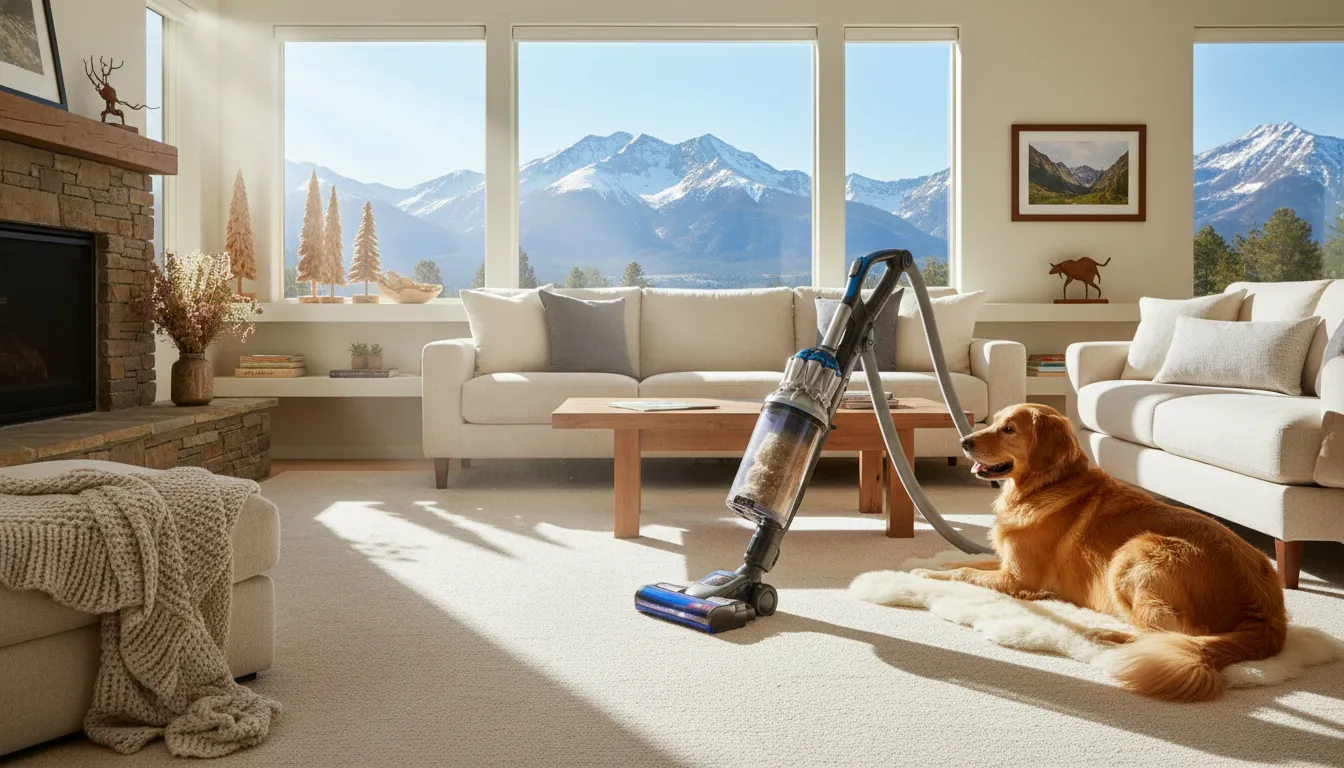
Hair pickup begins at the floor head. Look for a brushroll that can lift fur from rugs and carpet, plus tools for sofas and stairs. For mixed flooring, test how easily a vacuum moves from carpet to hard floors without scattering debris.
Suction still matters, but it is only one part of the job. A practical choice matches your pets, flooring, storage space, and cleaning routine. If you are comparing premium options, this best premium vacuum for pet hair guide can help narrow the starting point.
A vacuum picks up hair first, then must keep fine material inside the machine. Check for a sealed air path, so air passes through the filter before leaving the vacuum. This design detail matters alongside a strong floor head in a home with pets.
HEPA is a clear filter standard. According to the Environmental Protection Agency, a HEPA filter can remove at least 99.97% of airborne particles that are 0.3 microns in size. This includes small particles such as dust and pollen, but no vacuum can promise complete symptom relief.
Do not stop at the word HEPA on a box. Ask whether the full vacuum is sealed and where filtered exhaust leaves the machine. A model built around vacuums with sealed HEPA filtration gives you a useful feature set to compare.
Pet homes fill bags, bins, and brushrolls faster than homes without shedding pets. Choose a vacuum whose bag or filter system is easy to maintain, with filters that are easy to check. Clear wrapped hair from the brushroll before it reduces pickup.
Your buying checklist should be short and useful.
A well-matched vacuum is easier to use on a steady schedule. Check the filter, empty or change the container, and clear hair as the maker directs. These basic steps help the vacuum keep picking up hair and moving air as designed.
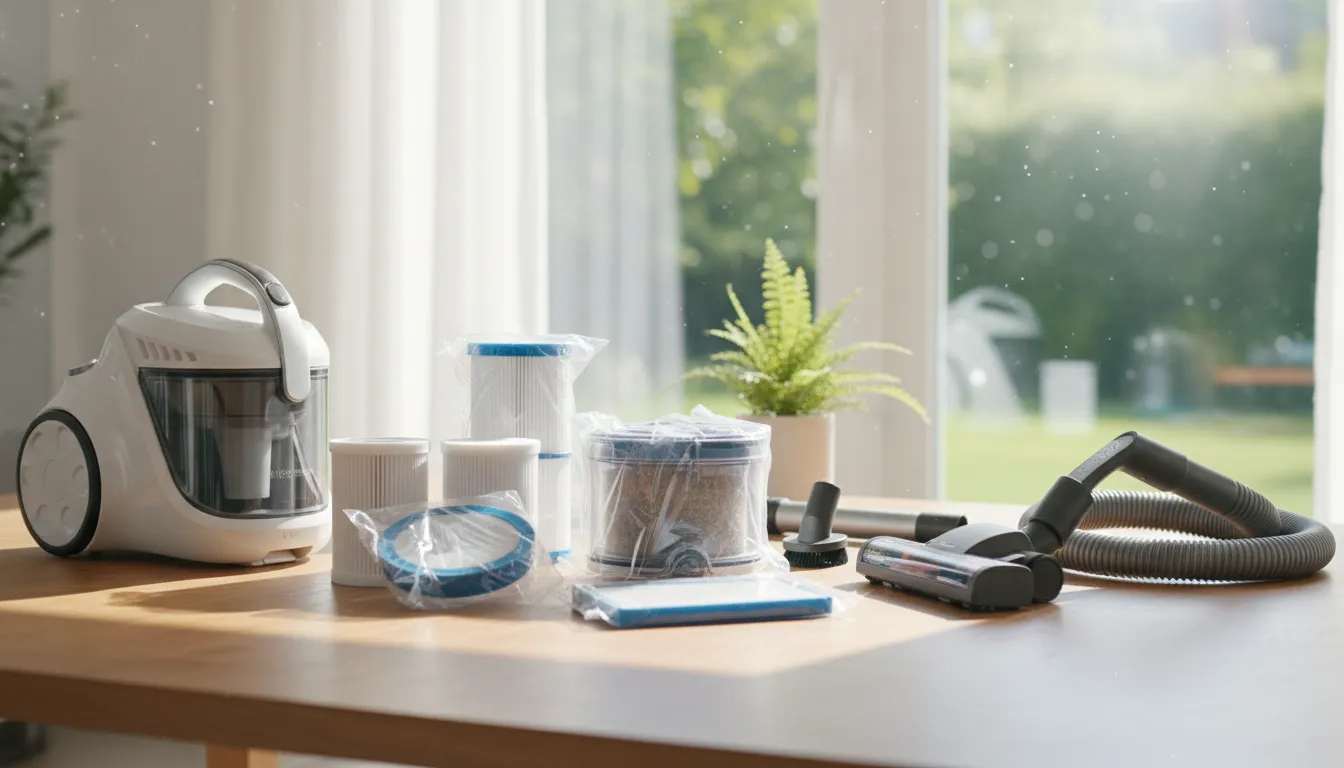
When shopping for the best vacuum for pet hair and allergies, it helps to separate three terms. A HEPA filter is a filter standard. It is not a promise about the full machine. The Environmental Protection Agency states that a HEPA filter can remove at least 99.97% of airborne particles at 0.3 microns.
A HEPA bag is the collection bag itself, made to hold small particles as air passes through it. It can help contain dust when removed, since the dirt stays in one replaceable collection chamber. A sealed filtration system is broader. It directs moving air through the intended filters before that air leaves the vacuum.
Pet hair is the visible mess, but allergy concerns often involve fine material in rugs, upholstery, and air. Pollen and pet dander can be picked up with debris during cleaning. Exhaust can escape around a bag dock, filter housing, or body seam. It may carry dust back into the room.
That is why a HEPA label alone does not settle the choice. A vacuum may have a strong filter, yet still lack a sealed air path. Shoppers comparing vacuums with sealed HEPA filtration should look for both fine filtration and a sealed design.
Cleaning habits matter too. Mayo Clinic advises using a vacuum with a small-particle or HEPA filter when managing indoor allergy triggers. In homes with shedding pets, filtration works with regular floor and fabric cleaning. It does not replace it.
A sealed vacuum depends on every part of its air path fitting as designed. A bag with a poor collar fit may not seat well at the intake. A filter with the wrong shape may leave an opening where unfiltered air can pass. Either issue defeats the purpose of choosing stronger filtration.
Look for authentic replacement bags and filters approved for the exact vacuum model. Check the bag dock, filter cover, and seals when changing parts. Replace full bags and loaded filters on the machine’s stated schedule. Steady airflow supports pickup and filtration.
For Colorado homes with pets and seasonal pollen, ask how air is contained from floor nozzle to exhaust. A local vacuum specialist can show where the bag sits. They can also show which filters and replacement parts match the model.
Colorado Front Range homes often combine carpeted bedrooms, hard floors, stairs, and pets that shed across each surface. That mix matters when choosing the best vacuum for pet hair and allergies. The right format depends on floors, stairs, and filtration, not on one label alone.
A canister keeps the motor on the floor while you guide a lighter wand and floor head. It can be a practical match for stairs, furniture edges, and rooms with several hard surfaces. Look for a powered carpet head if pet hair gathers in carpeted bedrooms.
An upright keeps the cleaning head and body together, which can feel direct on broad carpeted spaces. A powered brushroll can help work hair from carpet fibers. For homes with hard flooring too, choose a brushroll that switches off or adjusts for that surface.
A mixed-floor home may not have one dominant cleaning task. Think about where fur gathers most often, then consider the route between those rooms. A format that moves well from entry flooring to carpeted living areas can make regular cleanup easier to keep up.
This table compares canister and upright vacuum choices by cleaning need.
| Cleaning need | Canister fit | Upright fit |
|---|---|---|
| Pet hair on carpet. | Use a powered carpet head. | Powered brushroll is easy to guide. |
| Stairs. | Lighter wand on each tread. | Use a hose or compact tool. |
| Hard floors. | Dedicated bare-floor head. | Brushroll shutoff helps. |
| Low-pile carpet. | Powered head or rug setting. | Strong everyday match. |
| High-pile carpet. | Check height and suction control. | Check height adjustment. |
| Allergy control. | Seek HEPA filtration and containment. | Seek HEPA filtration and containment. |
Use the table as a starting point, then test handling, tool reach, and filtration in person.
Pet hair changes the choice because it collects where pets rest and travel. An upright may suit wide, carpeted rooms where you want steady brushroll contact. A canister may be easier on stairs, where a lighter wand helps you reach treads and corners.
High-pile carpet needs extra care because a cleaning head can drag or seal tightly against the fibers. Check for height adjustment or suction control before choosing either format. On low-pile carpet, focus on a powered head, easy hair removal, and simple upkeep.
Tools also matter in homes with dogs or cats. A small powered attachment can help with upholstered furniture and carpeted stairs. A crevice tool helps at baseboards where loose hair and dust can collect between regular floor cleanings.
If an upright matches your floor plan, review an option listed among vacuums with sealed HEPA filtration. Compare its handling on your carpet and hard floors before deciding on the format.
For allergy concerns, filtration deserves the same attention as hair pickup. The EPA states that HEPA filters can remove at least 99.97% of airborne particles at 0.3 microns. In a vacuum, also check how bags, filters, and emptying contain collected dust.
Cleaning routine matters alongside vacuum style. Mayo Clinic advises weekly vacuuming with a HEPA-filter vacuum when carpeting remains in a home with indoor allergens. For mixed-floor Colorado homes, choose the format that makes that routine easy across carpets, hard floors, and stairs.
Compare premium vacuums online, then visit Rocky Mountain Sewing & Vacuum for hands-on help matching a model to your pets, floors, and allergy concerns.
Visit a Rocky Mountain Sewing & Vacuum store to compare upright and canister vacuums side by side.
Strong suction matters, but it cannot pull out every strand by itself. Dog fur and cat hair can cling to carpet fibers or collect along baseboards. A brushroll should loosen that hair first, so airflow can carry it into the bag or bin.
For carpet, look for firm, even agitation that reaches into the pile without making the vacuum hard to push. On hard floors, a gentle brushroll setting helps control scattered litter and loose hair. This is a useful feature to test when shopping for the best vacuum for pet hair and allergies.
Carpet height changes the cleaning job. An adjustable powerhead can keep the brushroll close enough to lift embedded fur on area rugs and thicker carpet. If a nozzle sits too high, it may skim over hair. If it sits too low, airflow can drop and pushing can become tiring.
Long pet hair can also wrap around a brushroll. Check for easy brushroll access, removable end caps, or a design meant to reduce hair wrap. These details make routine cleaning simpler, especially in homes with long-haired dogs or cats. A serviceable powerhead also supports long-term care of a quality vacuum.
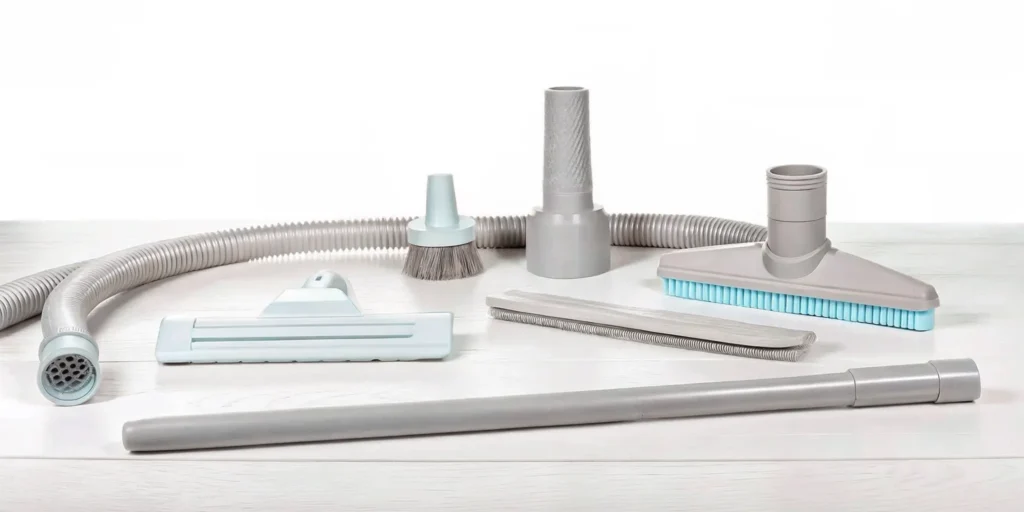
Pet hair rarely stays in the middle of a room. It gathers near walls, under furniture, on stairs, and around pet beds. Useful tools include edge-cleaning channels, a powered hand tool, and a crevice tool that fits tight spots. For varied floor care, review the best upright vacuum for pet hair features before comparing models.
The nozzle and suction path should work as one system. A direct air path can help move loosened fur through the vacuum. Seals and filters address fine particles that travel with dust. The Mayo Clinic recommends vacuuming weekly with a HEPA or small-particle filter when reducing indoor allergens is part of household care.
When comparing machines, test pickup on your common floor types and ask how the brushroll is cleaned. Then pair pet-hair pickup with filtration needs. Rocky Mountain Sewing & Vacuum can help Colorado Front Range households compare premium vacuum cleaners based on flooring, pets, and upkeep.
Choosing the best vacuum for pet hair and allergies starts with your floors, pets, and cleaning routine. A model that works well in a carpeted family room may feel awkward on stairs or hard flooring.
Before you compare models, write down where fur and grit collect most often. Include rugs, carpeted rooms, smooth floors, stairs, upholstery, and tight storage areas.
If household members react to dust or dander, filtration belongs near the top of the checklist. A HEPA filter can remove at least 99.97% of airborne particles measuring 0.3 microns, according to the EPA.
A vacuum needs to be easy to use when fur shows up again tomorrow. Weight, cord reach, hose length, storage size, bag changes, and filter care affect whether cleaning stays routine.
Map your flooring mix. Note the rooms with carpet, area rugs, hardwood, tile, or luxury vinyl. Mixed-floor homes often need easy brushroll control and a tool that handles edges without scattering debris.
Choose a style that reaches each space. An upright can be simple for broad carpeted areas. A canister may be easier to guide on stairs, under furniture, and across several surface types.
Match pet tools to the mess. Look at where hair builds up, not just how much your pet sheds. Carpet, pet beds, stairs, and sofas may call for a powered brush or a small upholstery tool.
Check the full filtration path. Seek a vacuum built to keep collected dust contained as air moves through the machine. Ask how bags, filters, and seals are handled during normal use and disposal.
Set a cleaning plan you will keep. A good vacuum still needs regular use in rooms where allergens settle. The Mayo Clinic guidance for allergy control advises weekly vacuuming with a small-particle or HEPA-filter vacuum when carpet remains in the home.
Try the vacuum as you would at home. Push it across carpet and smooth flooring, lift it for stairs, and attach the pet tool. Then compare premium vacuum cleaners with your space, pet hair, and upkeep habits in mind.
For a Colorado Front Range home, a hands-on test can show issues that a feature list misses. Bring your floor mix, stair needs, pet cleanup zones, and sensitivity concerns to the comparison.
The best vacuum for pet hair and allergies must keep pulling air through its bag and filters. A bag packed with hair limits airflow, and a clogged filter adds more strain. Check the bag often during shedding season, and replace it before it is tight or overfilled.
Follow the maker’s filter schedule instead of waiting for weak pickup or dusty exhaust. A true HEPA filter is made to capture at least 99.97% of airborne particles at 0.3 microns, according to the Environmental Protection Agency. That performance depends on a filter that fits well and is changed as directed.
Pet hair wraps around a brushroll faster than many owners expect. Turn off and unplug the vacuum, then inspect the brushroll after heavy cleaning sessions. Cut away wrapped hair with care, and check that the brushroll turns freely before the next pass.
Also inspect the hose, wand, floor head, and intake path when pickup falls off. A toy, tuft of fur, or clump of debris can block air even when the bag is new. Look at door gaskets and filter covers as well; each cover should close firmly and evenly.
A steady cleaning routine matters in homes with allergy concerns. Mayo Clinic advises people managing allergies to vacuum weekly with a HEPA or small-particle filter when carpet remains in the home. Maintenance helps the vacuum perform as designed during that weekly work.
Bring a premium vacuum in for service when basic checks do not restore pickup. Other warning signs include a burning smell, a damaged cord, unusual noise, or a brushroll that stops turning. Stop using the machine if it shows an electrical or overheating concern.
A service visit is also useful when a belt wears down or a brushroll will not turn smoothly. It gives a technician time to find hidden clogs, loose seals, or worn parts. These small problems may be hard to see during home cleaning.
Rocky Mountain Sewing & Vacuum provides expert repair and service for vacuum owners, including machines bought elsewhere. A technician can help match the correct parts and check the system before pet hair builds up again.
Schedule vacuum service if your current machine leaks dust, loses pickup, or needs a technician to restore performance.
Finding the best vacuum for pet hair and allergies starts with your home, not a feature list. Pets shed in different places, flooring changes how tools perform, and storage affects what you will use often. Seeing a vacuum in person helps turn broad product claims into practical choices for your cleaning routine.
During a demonstration, you can steer an upright, carry a canister, and try attachments that pick up pet hair. You can also check reach on stairs, floor setting changes, and how simple bag or filter access feels. These small tests matter because a machine that is hard to use may stay in the closet.
Allergy-focused shopping should include a clear talk about filtration and care. The EPA defines a HEPA filter as one that removes at least 99.97% of airborne particles measuring 0.3 microns. A demonstration lets you ask where air exits and when the filter or bag needs replacement.
RMSV staff can match vacuum type and tools to carpet, hard floors, stairs, upholstery, and areas where fur gathers. A home with long-haired pets and carpet may need a different brushroll plan than a home with smooth floors. Families can compare comfort, setup, and upkeep before making a choice.
Rocky Mountain Sewing & Vacuum carries premium options, including Miele and SEBO where they suit the home’s needs. Browse its premium vacuum cleaners to find likely models before visiting a store. In person, you can compare handling, tools, bag changes, and filter access with guidance from a local expert.
An allergy-focused vacuum still needs regular care to keep working as designed. Pet hair can gather around a brushroll, while filters and bags need changes on the maker’s schedule. RMSV offers expert product guidance and factory-authorized service, giving local owners support after the first demonstration.
RMSV has four retail locations across Colorado’s Front Range, which makes an in-store comparison easier for nearby homeowners. Bring notes about floor types, shedding areas, stairs, and any vacuum problems you have faced. You can contact the local expert staff to plan a visit and ask about a hands-on demonstration.
The most effective pet-hair vacuum is not chosen by suction alone. For carpet, look for a powered brushroll that lifts embedded fur and resists hair wrap. For hard floors, choose a head that collects fur without scattering it. Homes with allergy concerns should also prioritize a sealed system and HEPA filtration, so removed debris stays contained after pickup.
A vacuum for allergy concerns should combine HEPA filtration with a sealed air path and simple, contained disposal. The Environmental Protection Agency states that a HEPA filter can remove at least 99.97% of airborne particles measuring 0.3 microns. For homes with pets, pair filtration with a brushroll and upholstery tool that collect fur and dander from common surfaces.
The right vacuum for dog fur matches the surfaces where shedding collects most. Carpeted rooms benefit from a powered brushroll, while stairs and sofas need a motorized upholstery tool. A model with easy brushroll access reduces maintenance when long fur wraps around the roller. If household allergies are a concern, select sealed HEPA filtration alongside strong fur pickup.
A HEPA filter captures fine airborne particles moving through a vacuum’s filtration system. According to the Environmental Protection Agency, HEPA filters remove at least 99.97% of particles measuring 0.3 microns. For pet-owning households, HEPA filtration is most useful when the vacuum is sealed, maintained as directed, and used on floors and upholstery where dander can collect.
Pet hair and household dust can remain frustrating when a vacuum misses the surfaces and filtration needs that matter most in your home. Waiting to compare the right options can mean more repeated cleaning, more uncertainty, and more time spent coping with the same problem. Starting now helps you narrow the choice sooner and bring home a vacuum selected for your floors, pets, and daily routine.
Ready to choose with confidence? Contact our vacuum experts to request in-store guidance. Talk to a Rocky Mountain Sewing & Vacuum expert about your floors, pets, cleaning habits, and questions before you decide. A short visit now can help you make a considered choice instead of continuing with a vacuum that does not meet your needs.