
Outside Colorado? Get Free Shipping + No Sales Tax in Most States

Standing in front of two sewing machines can feel like choosing two different creative futures. One has familiar dials that invite you to set each stitch by hand. The other has buttons or a screen that can make stitch selection and helpful adjustments feel wonderfully streamlined. If you are comparing a computerized vs mechanical sewing machine, the right answer is not that one technology wins for everyone. The right answer is the machine that makes your next project easier to begin, enjoyable to finish, and realistic to keep using as your skills grow.
Ready to compare machines with a sewing specialist? Contact Rocky Mountain Sewing & Vacuum to talk through your projects, comfort with controls, and the support that matters after your purchase.
At Rocky Mountain Sewing & Vacuum, we see beginners who want clear fundamentals, garment makers who need dependable utility stitches, quilters who want control and precision, and returning sewists who want the confidence to tackle a new WIP. Both mechanical and computerized machines can serve those goals. This guide explains the practical differences in controls, learning, features, care, service, and long-term value so you can say yes to the machine that fits your sewing life.
A mechanical machine places most stitch choices directly in your hands through knobs, dials, sliders, or levers. A computerized machine uses electronic controls, often buttons or a display, to select settings and may offer automated conveniences or a broader built-in stitch library. Those are categories, not promises about every model. Two mechanical machines can feel quite different from each other, just as entry-level and feature-rich computerized models may offer very different experiences.
| Decision point | Mechanical sewing machine | Computerized sewing machine |
|---|---|---|
| Controls | Hands-on dials or levers make changes visible and direct. | Buttons or display-based selections can simplify setup and repeat settings. |
| Learning style | Good for sewists who want to learn each adjustment as they make it. | Good for sewists who appreciate guided selections and helpful automation. |
| Stitch choices | Often focuses on essential construction and utility stitches. | May include larger stitch libraries and specialized or decorative options. |
| Care and service | Straightforward controls may feel easier to understand for routine operation. | Electronic features deserve skilled service when technical issues arise. |
| Best fit | Focused projects, tactile controls, and a direct sewing experience. | Varied projects, convenience features, and room to explore techniques. |
If you are just beginning, start with the machine that helps you focus on good sewing habits: accurate seams. Comfortable speed control, correct threading, useful feet, and confidence changing a needle or bobbin. For more starter-focused ideas, read our guide to the best sewing machines for beginners.
Neither category is automatically more serious or more creative. A confident sewist on a straightforward machine can produce beautiful quilts and garments. A new sewist on a computerized model can appreciate reminders and convenient settings that remove friction. The best comparison begins with what you actually want to sew, not with a list of features you may never need.
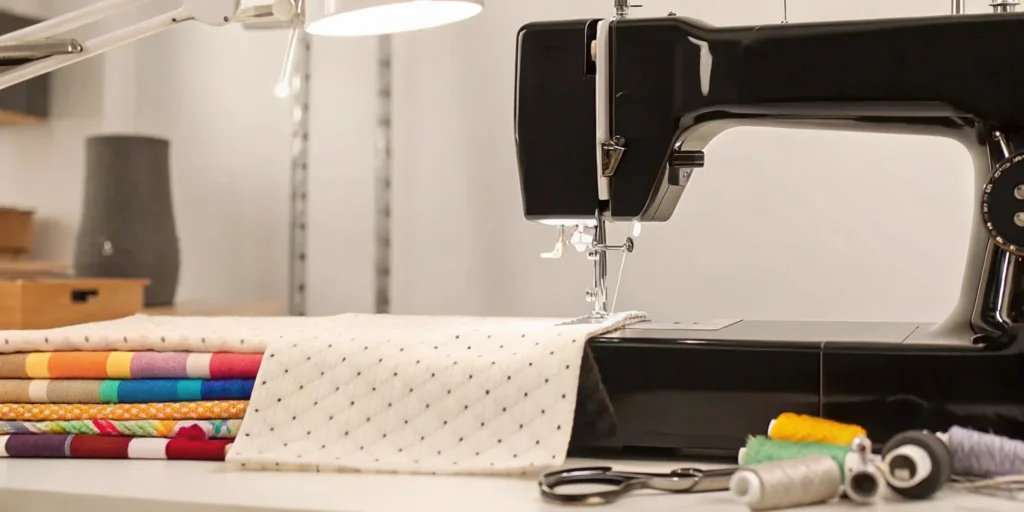
On a mechanical sewing machine, you normally choose a stitch and adjust key settings with physical controls. Turning a dial makes the change tangible. You can see where your stitch length or width is set and develop a feel for adjusting tension, speed, and fabric handling as you practice. This direct relationship between your hands and the machine appeals to people who enjoy learning fundamentals one setting at a time.
Mechanical does not mean limited to a single straight stitch. Many machines offer the common stitches needed for garment construction, basic mending, buttonholes, zigzag finishes, crafts, and piecing. What matters is checking the specific model against your project list. A maker who wants dependable straight seams and simple hemming may be delighted by a streamlined selection. A sewist dreaming about decorative embellishment may want additional options.
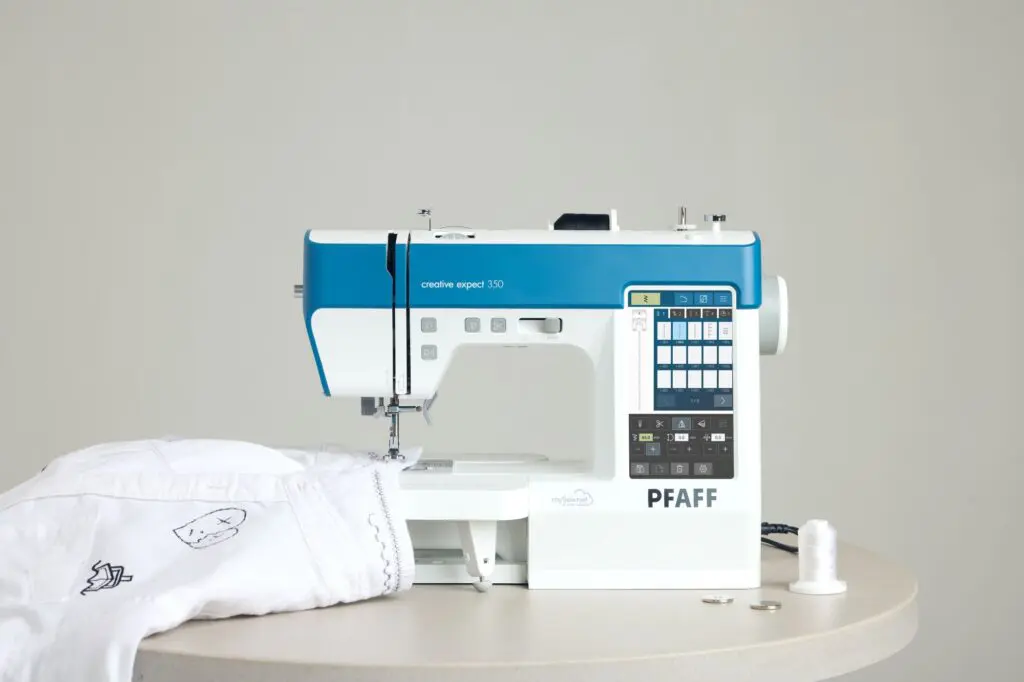
A computerized sewing machine uses electronic selection to control stitch choices and related settings. Depending on the model, that may mean push-button selection, a display, speed adjustment, recommended settings, memory functions, or specialty stitches. Some computerized models support advanced techniques, while others simply make everyday sewing more comfortable. Always compare the actual model rather than assuming every digital control unlocks every capability.
This distinction can matter when your projects change from week to week. If your UFO basket includes a zipper pouch, a quilt binding, a knit top. And decorative details for a gift, quick access to useful stitch choices can feel inviting. Automation does not replace sewing skill. It can reduce the number of decisions that interrupt your creative momentum, leaving you free to concentrate on accurate fabric guidance, clean finishing, and enjoying the work.
Think about the moment you sit down to sew. Would turning familiar dials help you feel engaged and confident? Or would a guided interface help you spend less time setting up and more time sewing? Your honest response to that question is more useful than a feature count.
Beginners often ask whether starting on a mechanical machine builds stronger skills. It can, because physical controls invite you to see how choices affect the seam. However, a computerized model can also be a welcoming first machine when its convenience features prevent small setup frustrations from stopping a new sewist. Ease is personal: it depends on whether learning through hands-on adjustment or through guided selection feels more natural to you.
A mechanical model may fit if you want to practice garment repairs, home decor, or quilt piecing with clear controls. You can learn why you change stitch length for one fabric or switch to a zigzag finish for another. The machine encourages you to develop those decisions yourself. If you enjoy understanding how things work, those dials can make learning deeply satisfying.
This path is also practical for a beginner whose first year of projects is focused. If your goal is to sew sturdy straight seams well, finish edges neatly. And build comfort at the machine, a capable mechanical option can keep attention on technique rather than menus.
Some beginners hesitate because threading, starting speed, stitch selection, or making the wrong adjustment feels intimidating. A computerized model with the right controls for you can lower that barrier. It may help you control speed carefully, select an appropriate stitch more easily, or explore a new finish when you are ready. That can be valuable if removing one worry is what gets you sewing regularly.
Support matters just as much as the machine on your table. Rocky Mountain Sewing & Vacuum provides free classes for new machine owners, which can reduce the fear factor of unfamiliar features and help you establish good habits. Bring your questions, learn your controls, and turn a new purchase into a tool you actually enjoy using. Our beginner sewing machine guide is another helpful starting point as you form a shortlist.
Begin with one question: “Which machine supports what I want to make?” Machines with added automation may require a larger investment. That investment makes sense when the features help you sew comfortably now. It also makes sense if they support projects you are excited to attempt soon.
Make a realistic list of projects for the next twelve to eighteen months. Include alterations, garments, quilting, bags, crafts, or decorative stitching. Then separate must-have capabilities from interesting possibilities. If you want dependable utility sewing and tactile controls, a mechanical machine may align beautifully with your priorities. If you know you want decorative options, flexible stitch selection. Or conveniences that help you work through a broad project list, a computerized option may serve your creative direction.
A showroom comparison is especially useful here because comfort is not conveyed by a specification chart. Try raising and lowering the presser foot, changing settings, winding or inserting the bobbin, and sewing through a representative fabric. Listen to the machine. Notice whether its controls invite you to keep going. A machine you enjoy using carries value long after you have forgotten how many stitches appeared in a feature list.
Different manufacturers and machine families may offer mechanical and computerized paths suited to different makers. If you are beginning your research, explore our Baby Lock sewing machine guide for Colorado sewists and our BERNINA sewing machine guide. These resources can help you connect the machine category question to real project needs and product families.
Long-term value includes education and service, not just a box on purchase day. If a new feature helps you complete projects you once avoided. Or instruction helps you become a steady and confident sewist, your machine is supporting a lasting creative practice. Talk with our team about a machine that matches your projects before you decide.
Every sewing machine deserves consistent care. Routine habits include using the correct needle for the fabric, replacing a worn needle, removing lint as directed by the manual. Threading accurately, using suitable thread, protecting the machine between sessions, and arranging professional service when performance changes. These habits matter whether your machine uses dials or electronic controls.
Because a mechanical sewing machine centers on manual controls, many owners find its operation straightforward to learn. When a seam is not behaving as expected, you may be able to review threading, needle choice, bobbin insertion, fabric handling, and selected settings before seeking help. That transparency is comforting to sewists who prefer to understand each adjustment.
That does not mean all service should be performed at home. Skipped stitches, persistent tension symptoms, unusual noise, feed problems, or timing concerns deserve expert attention. Trying to force a struggling machine through a project can turn a manageable service need into a bigger interruption.
A computerized sewing machine combines the sewing mechanism with electronic controls and, on some models, additional automated functions. Routine cleaning and correct setup remain important, but a problem with an electronic control or advanced function is a good reason to ask a qualified technician. This is not a reason to avoid computerized sewing. It is a reason to choose a retailer and service partner who will be there after you bring your machine home.
Rocky Mountain Sewing & Vacuum offers authorized sewing machine repair services for major brands, regardless of where a machine was purchased. That matters if your first machine becomes the one that travels with you through years of quilts, garment fittings, classes, and handmade gifts. A clear service path helps both mechanical and computerized owners sew with confidence rather than putting a valued machine aside when it needs attention.
The best machine is not always the one that matches today’s smallest project. It is the machine that helps you enjoy today’s project while giving you room for the sewing you are likely to attempt next. Consider your WIPs and your wish list. A machine used for hemming jeans and simple tote bags may face different demands than one used for quilting, garment details, decorative stitching, or frequent creative experimentation.
If you love straightforward construction, piecing, or dependable seams, a quality mechanical machine can stay useful for a long time. Learning to adjust a stitch yourself builds familiarity with fabric behavior and thread tension. That knowledge travels with you, even if you later add a second machine for another specialty.
Many sewists do not need an enormous number of stitches to produce work they are proud to share. They need stable stitching, comfortable speed, the feet and accessories relevant to their projects, and support when questions arise. If those needs align with a mechanical model, choosing one is not choosing less creativity. It is choosing a focused tool for work you love.
If you see yourself moving among garments, quilting, and decorative stitches, computerized controls may make exploration easier. Useful automation can reduce repetitive setup and invite you to try a new technique before a project lands in the UFO pile. Some makers also prefer being able to repeat settings across similar pieces.
Look for capability that supports a real next step. A quilter may value control and consistency. A garment maker may care about buttonholes and fabric handling. An enthusiastic learner may want room to experiment. If Janome is on your research list, our guide to Janome sewing machines for every skill level can help you consider those project paths.
Growth does not happen because a machine does everything for you. Growth happens because the machine feels approachable enough that you keep sewing, practicing, asking questions, and starting the next project.
A feature list can narrow your search, but confidence often comes from a practical comparison. Use these steps whether you are selecting a first machine or replacing one that no longer supports your ambitions.
Colorado sewists can bring those questions to a team that understands both the technical details and the joy of finishing something made by hand. If you would like help comparing machines for your project list, contact our sewing specialists and begin with a conversation.
Either can be a strong beginner machine. Mechanical controls can be appealing when you want to learn each adjustment hands-on. Computerized controls can be appealing when convenience and guided selections help you begin with confidence. Choose by testing the controls, identifying your likely projects, and making sure you have instruction and service support.
Both machine types need correct threading, appropriate needles, lint care according to the manual, and periodic professional attention when performance changes. A computerized model has electronic controls that may call for qualified technical service if a related issue occurs. Selecting knowledgeable support makes either type a comfortable long-term choice.
Many sewists can complete quilt piecing and suitable quilting work with a capable mechanical machine, depending on the project, workspace, accessories, and machine design. If your plans include specialized quilting techniques or broad creative exploration, compare models in person and discuss which features would actually help your workflow.
A computerized option is worth considering when its controls or available features directly support projects you intend to make. If convenience helps you try new techniques, manage varied projects, or sew more often, it may be a meaningful fit. Do not choose by feature count alone; choose a machine you can enjoy and grow with.
You do not need to decide between technology and creativity. The right mechanical or computerized sewing machine gives you a confident beginning, dependable support. And room to build the skills behind your next quilt, garment, repair, or handmade gift. Bring your questions and your project ideas to a Colorado team that understands how much the right fit matters.
Contact Rocky Mountain Sewing & Vacuum to compare sewing machines and choose with expert guidance, education, and service support behind you.