

When you compare a HEPA vs S-Class filter, the numbers are only the beginning. True HEPA filtration is commonly rated to capture at least 99.97% of particles at 0.3 microns, while S-Class filtration captures at least 99.9% at 0.3 microns. Both are highly capable. For an allergy-friendly home, the more practical question is whether the entire vacuum keeps captured dust contained from the floor to the bag. Through the filters, and out the exhaust.
Compare our premium vacuum collection and bring your floor, pet, and allergy-conscious cleaning questions to our Colorado experts.
A quality filter in a poorly sealed machine can still let fine particles escape around gaps. A well-designed vacuum with strong filtration, a sealed airflow path, and easy maintenance can make cleaning feel much more controlled. Here is how to compare the two systems without getting lost in the label.
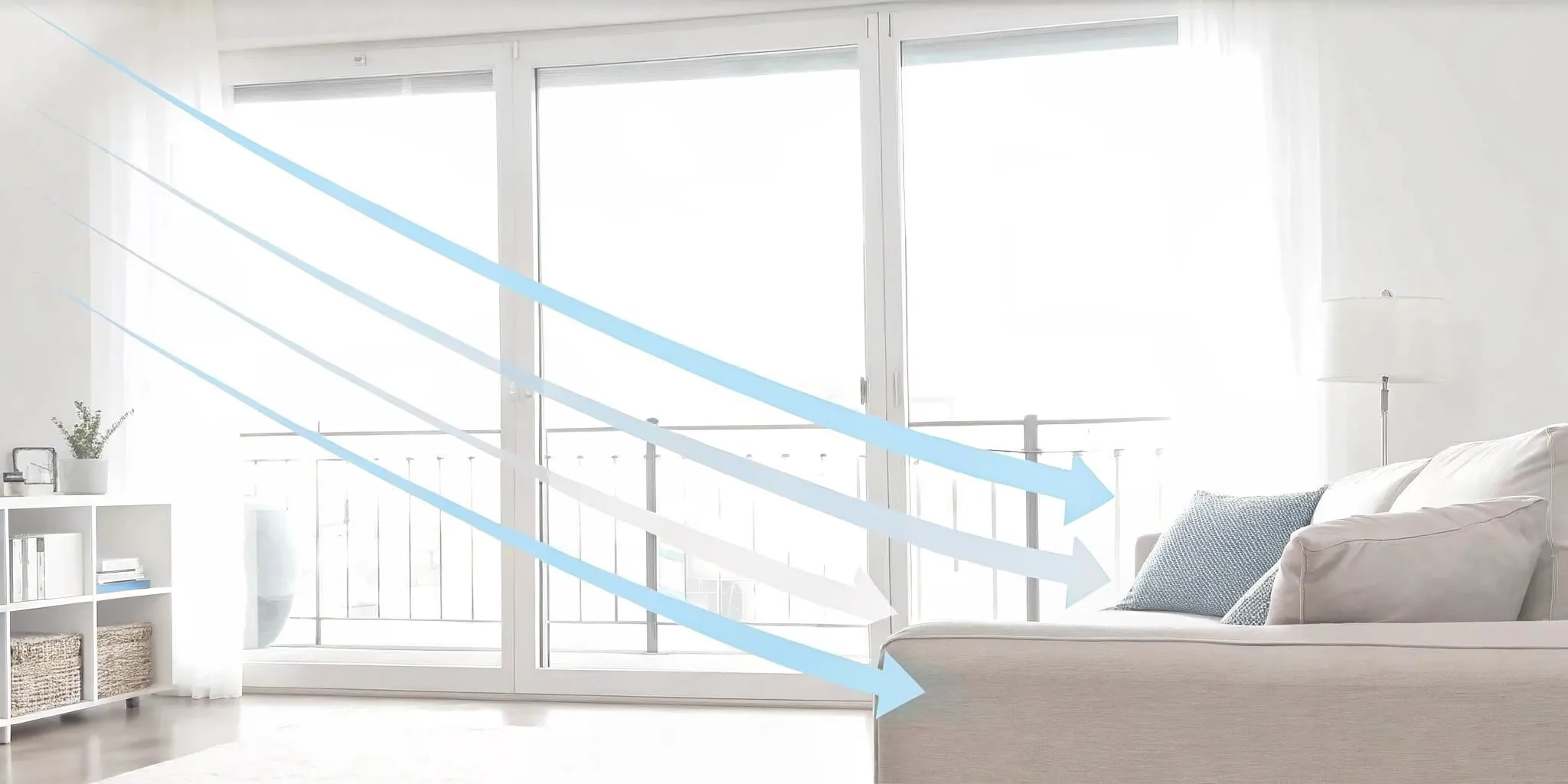
True HEPA and S-Class are both high-efficiency filtration standards. True HEPA has the higher published capture rate, while a well-designed S-Class system can provide excellent everyday filtration with balanced airflow. In either case, whole-machine sealing and correct maintenance are essential.
HEPA media typically relies on a dense web of fibers that captures particles through several mechanisms as air moves through it. S-Class filters, such as those used in SEBO vacuum filtration systems, use electrostatically charged microfibers to attract and hold fine particles while supporting airflow.
| Comparison point | True HEPA | S-Class |
|---|---|---|
| Published filtration threshold | At least 99.97% at 0.3 microns | At least 99.9% at 0.3 microns |
| What the rating describes | Filter-media efficiency under a defined test | Filter-media efficiency under a defined test |
| Common construction | Dense pleated fibrous media | Electrostatically charged microfiber media |
| Best buying question | Is the filter part of a sealed, well-maintained vacuum system? | |
The 0.07 percentage-point difference can matter in specialized situations, but it should not distract from system design. A filter rating describes what happens when air passes through the filter. It does not automatically prove that every bit of air drawn into a vacuum passes through that media before returning to the room.
Also watch the wording. “HEPA-type” or similar language does not necessarily mean a filter meets a True HEPA standard. Ask for the actual filtration specification and whether the manufacturer describes the whole machine as sealed.
A sealed vacuum system matters because it directs the machine’s collected air through its intended filters before returning that air to the room. The motor creates suction, the floor tool lifts debris, and the machine routes dust-laden air through a bag or bin and one or more filters. A sealed system is designed so air follows that intended path rather than slipping out around seams, access panels, or filter housings.
This matters because a strong exhaust filter can only clean the air that reaches it. If fine dust bypasses the filter, the filter’s laboratory rating cannot compensate for the leak. When you compare vacuums, look beyond the filter badge and consider the full filtration pathway:
Find your nearest Colorado store to compare sealed vacuum systems and filtration options with an expert.
Bagged vacuums can be especially appealing to households that want less contact with collected debris. A closing bag collar can help contain dust during removal. With any design, however, technique matters. Change the bag before it is packed tight, install every filter correctly, and never run the machine with a missing or damaged component.
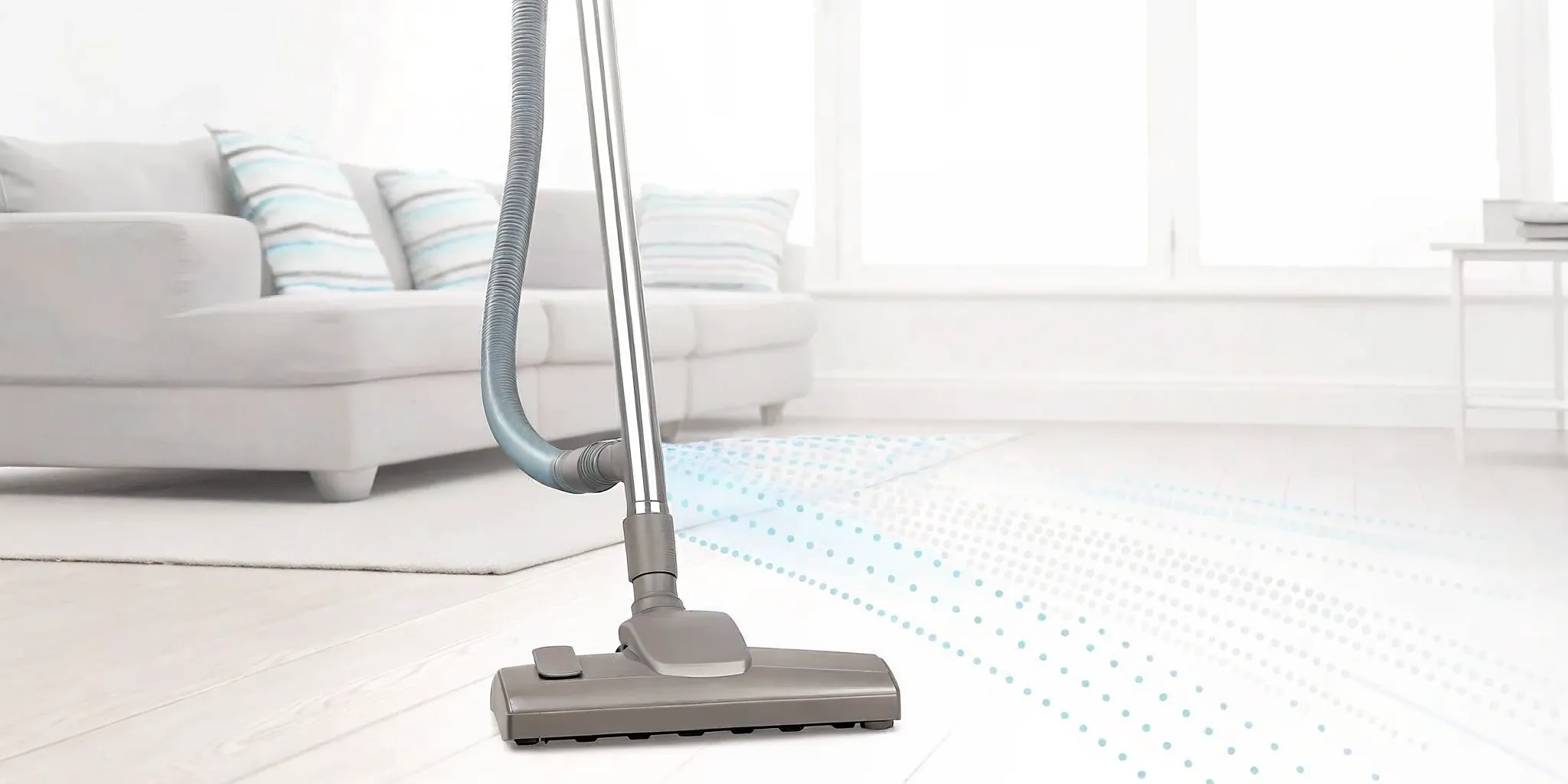
Neither filtration standard is automatically best for every allergy-friendly home. True HEPA can suit households prioritizing the highest published filter-media rating. S-Class can suit households seeking strong filtration, balanced airflow, and a durable complete system. The right fit depends on the people, pets, surfaces, and cleaning habits in your home.
A sealed True HEPA vacuum may be a reassuring choice when someone in the household is especially sensitive to fine particles or when a healthcare professional has recommended a specific filtration standard. Confirm that the rating applies to the filter you will actually use, then ask whether the entire machine is sealed. Filter availability and replacement instructions should be part of the decision too. Compare examples in our Miele vacuum collection and the Riccar R25 Deluxe with HEPA media.
S-Class is a compelling option for routine allergy-conscious cleaning, pet households, and homes where durable performance matters. SEBO’s system combines an electrostatic microfiber bag with additional filtration stages in a tightly designed machine. That makes S-Class worth considering as a complete system, not merely as a number on a filter.
You can explore the SEBO Airbelt E3 Premium canister vacuum before visiting a store for a hands-on comparison.
The most capable filtration system only helps when the vacuum is comfortable enough to use regularly. A household with shedding pets may care about tool performance and bag capacity. A multilevel home may prioritize weight and maneuverability. A mix of carpet, rugs, and hard floors calls for the right floor tools and adjustable settings. These factors influence how thoroughly and consistently you remove dust in the first place.
Vacuum filtration can support an allergy-conscious cleaning plan, but it is not medical treatment. Follow guidance from a qualified healthcare professional for asthma or allergy concerns.
See the SEBO Automatic X7 Premium as one example to discuss during an in-store comparison.
Strong filtration depends on using the correct bags and filters, replacing them on schedule, and keeping the airflow path clear. When bags overfill or filters become loaded, airflow can fall and the motor may work harder. The best schedule is the manufacturer’s schedule, adjusted for your household’s use.
Avoid washing a filter unless the manufacturer explicitly identifies it as washable and provides instructions. Water can damage media that was designed for dry use. It can also create a bigger problem if a damp filter is returned to the machine.
Build maintenance into your cleaning rhythm instead of waiting for a problem. Keep one replacement bag and the correct filter set on hand, check the brush roll after heavy pet-hair cleaning, and note the date whenever you replace a filter. That simple routine reduces surprises and helps preserve the performance you evaluated before buying.
Pay attention to how the machine sounds and feels. A sudden pitch change, a hose that feels warmer than usual, or reduced pickup can indicate restricted airflow. Stop, inspect the cleaning path, and consult the manual rather than continuing to run the motor under strain. A specialist can help identify a clog or worn part when routine checks do not solve the problem.
The best vacuum pairs capable filtration with tools, handling, and upkeep that fit your household. Choosing on filtration alone is like choosing a sewing machine on stitch count alone. The specification matters, but the best match depends on what you plan to do every week. Before deciding, make a quick household profile.
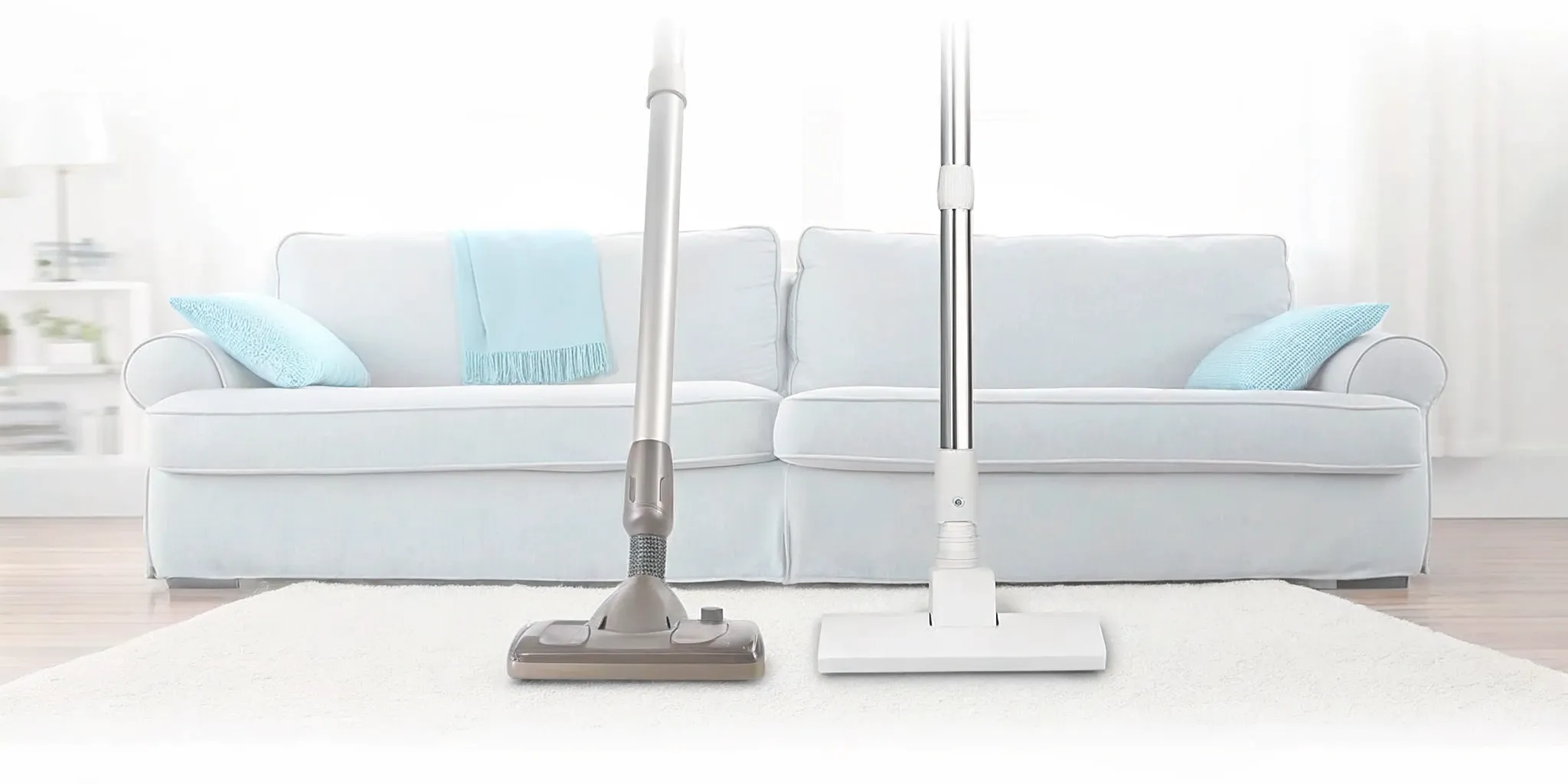
A canister may offer flexible above-floor cleaning and easy reach under furniture. An upright can feel direct and efficient across larger carpeted areas. Neither format is automatically better for filtration. The design, sealing, tools, and fit for your home are what count.
If you are comparing options, browse the broader vacuum collection or explore Simplicity vacuums, then bring your flooring and pet-hair questions to an in-store specialist. A hands-on test can quickly reveal differences that a specification sheet cannot.
When considering a SEBO vacuum, evaluate the complete filtration pathway along with floor tools, capacity, maneuverability, and maintenance access. SEBO is a useful brand to evaluate when S-Class filtration is on your shortlist. Its machines are designed around a multi-stage filtration pathway, with filtration working as part of the vacuum rather than as an afterthought.
During an in-store demonstration, ask to compare these details:
Do not be shy about testing ordinary movements. Turn around a chair, reach under a low table, carry the machine a few steps, and practice removing the bag. These everyday tasks reveal whether a vacuum will feel like a dependable partner or a chore that stays in the closet.
For more than 30 years, our team has helped Colorado households choose equipment they can rely on and maintain. We would rather help you find the right long-term fit than send you home with a filter label that does not solve your actual cleaning challenges.
No. They are separate high-efficiency filtration standards. True HEPA is commonly rated at a minimum of 99.97% particle capture at 0.3 microns, while S-Class is rated at a minimum of 99.9% at 0.3 microns. Both can support an allergy-friendly home when used in a sealed, well-maintained vacuum.
Not automatically. True HEPA has a slightly higher stated capture percentage, but whole-machine sealing, airflow, tools, and maintenance can matter more in everyday cleaning. Compare the complete vacuum system and how well it fits your home.
No. A vacuum may contain a HEPA filter without being described as a sealed system. Confirm that air is designed to pass through the filter before leaving the machine.
Follow the vacuum manufacturer’s instructions. Frequency varies by filter, usage, pets, dust load, and home size. Replace a damaged filter promptly and use the specified replacement component.
No. A capable, well-maintained vacuum can support an allergy-conscious cleaning routine, but it is not a medical treatment. Consult a qualified healthcare professional about allergy or asthma symptoms.
The clearest way to settle the HEPA vs S-Class filter question is to test complete vacuums against the needs of your home. Bring us a list of your floor types, pets, stairs, and cleaning priorities. We can explain the filtration pathway, show you routine maintenance, and help you compare handling in person.
Explore our vacuum collection, then visit Rocky Mountain Sewing & Vacuum for an expert recommendation designed around your household.