Choosing a longarm quilting frame size is not simply a matter of fitting the rails between two walls. You need enough room to move the machine head, load fabric, reach the rollers, and work comfortably from the positions your setup requires. A thoughtful floor plan turns an intimidating purchase into a studio you will enjoy using for years.
Browse our longarm quilting machines and compare frame setups with our team.Reviewed by the Rocky Mountain Sewing & Vacuum team.
The longarm quilting frame size you pick should accommodate your quilting goals and fit the space available in your room. Most standard frames range from 5 feet for smaller rooms to 12 feet for large projects that need a lot of length for finishing a quilt. A modular frame like the BERNINA Studio Frame allows you to start at 5 feet and grow to 10 feet as you need more room. When you plan your studio, you must leave two feet of open space on every side for the machine head and for your walking path. A 10-foot frame usually needs a room that is at least 14 feet long to work well for you and your large quilts in your studio.
You likely have some questions about how a large frame will fit into your home. We are here to guide you through the whole process of measuring and planning your new sewing studio. Start by looking at how the frame changes your room plan.
How longarm quilting frame size changes your room plan
Picking the right longarm quilting frame size is about more than just the length of the metal rails. We often see quilters measure their room but forget how much space they need to move around the machine. Your frame is the heart of your studio, so it sets the flow for every project you finish.
Frame length versus real space
Most frames use listed sizes like 5 feet, 8 feet, or 12 feet. But the total space the frame takes up is often a few inches longer than these round numbers. The physical footprint includes the legs and the tracks for the carriage. Most people forget that the machine head itself adds width to the setup. You need to account for the take-up rollers that hold your quilt layers tight.
A 5-foot compact frame might need 60 inches of wall space, but you also have to leave room for the poles to turn. It is best to check the exact longarm quilting frame size before you buy to ensure it fits your floor plan. Modular frames give you some choice in how you build them. The BERNINA Studio Frame can start at 5 feet for small rooms and grow to 10 feet if you move to a larger home. This lets your studio grow with your quilting goals. We like these systems because they offer long-term value as you take on bigger quilts.
Space for a smooth workflow
You need space to walk around the back and sides of your frame. If you push the frame flush against a wall, you will struggle to load your backing fabric or care for the quilt layers. We suggest leaving at least 2 feet of space on all sides of the frame. This gap makes it easy to reach the rollers and keeps your machine moving freely as you stitch.
Lighting is also part of your room plan. We recommend placing your frame where overhead lights do not cast a shadow on your needle. A well-lit space helps you see your stitches clearly and prevents eye strain. Good room planning also helps with your health. The Occupational Safety and Health Administration notes that workspace design is key to staying safe while you work. When you have enough room to move, you reduce strain on your back and neck during long sessions. A cramped room leads to poor posture, which can take the joy out of your hobby.
Comparing common frame sizes
To help you plan, we have listed how many frame lengths work for common quilt sizes. Usable width is the actual space where you can stitch. It is usually about 15 to 20 inches shorter than the total length of the frame. Think about what you make most often when you pick a size. While a 5-foot frame can handle a king-size quilt using a hoop system, a larger 10 or 12-foot frame makes the job much faster. You do not have to move the fabric as much on a wide frame.
Frame Size
Usable Width
Best For
5 Feet (Compact)
About 45 Inches
Baby quilts and wall hangings
8 Feet (Mid-Size)
About 80 Inches
Full and Queen size quilts
10 Feet (Large)
About 104 Inches
Standard King size quilts
12 Feet (Full)
About 128 Inches
Very large King quilts
Always remember that your machine needs room to glide on its tracks. Even a small frame needs a clear path so the carriage does not hit a wall or furniture. If you are unsure about your room layout, we can help you measure and plan the best setup for your home studio.
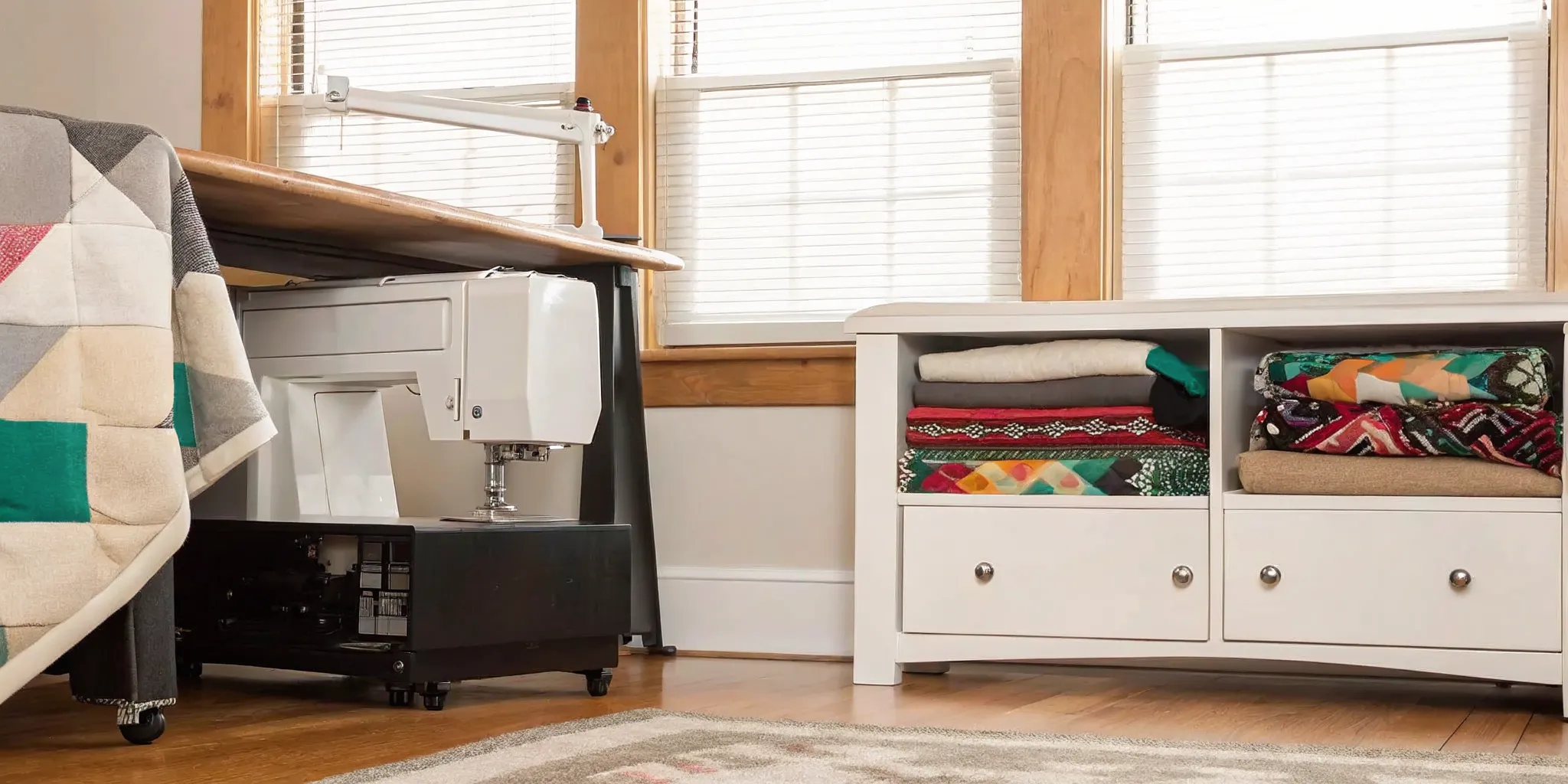
Measure the frame footprint and the open working space around it before choosing your setup.
How to measure your sewing space before choosing a frame
I know how much you want to start your next big quilt. But before you pick out your machine, you must check your room. A longarm needs a lot of room to move. If the space is too small, you will feel stuck. We want you to have a studio that helps you create without stress.
Check your doors and halls
The first step is to look at how the frame gets into your home. Longarm boxes are very big and heavy. You need to measure every door and hallway on the path to your sewing room. If your path has tight turns, a large frame might not fit through them. It is much better to find this out now than on the day your machine arrives.
Think about the height of your ceiling too. Some frames can be quite tall when they are set up. You also need space for light bars that sit above the machine. If your room is in a basement, watch out for low pipes or vents that might get in the way.
Find floor space and room to move
You need to know the longarm quilting frame size that fits your floor. A frame is not just a table. It needs at least two or three feet of open space on all sides. You need this room so you can walk around the machine while you work. Rear space is also key for when you need to load your quilt backing.
We often see people try to squeeze a large frame into a small room. This can make it hard to use the machine well. If your space is tight, look for longarm frame lengths that are modular. Some frames can start at five feet and grow as you get more room. This lets you start small and add more length later if you move to a larger home.
Verify power and lighting needs
Your longarm will need its own power outlet. Using a surge protector can help protect your machine from certain electrical surges, provided it is compatible with the manufacturer’s recommendations. Check where your outlets are before positioning the frame, and arrange power cords to prevent tripping hazards. Proper lighting also helps you see your work clearly and maintain a comfortable quilting position. Keep frequently used supplies within easy reach and allow enough room to move around your frame safely.
Empty the room so you can see the whole floor and all the walls.
Use a tape measure to find the exact length and width of the space.
Find all the wall outlets and vents to make sure you do not block them.
Use blue tape on the floor to mark the spot where the frame will sit.
Walk around the tape to see if you have enough room to move freely.
These steps will help you pick the right frame setup for your home. We are here to help you measure and plan so your studio is a place of joy. If you have any doubts, bring your room notes to our shop so we can look at them with you.
Plan walking and working clearance around the complete frame footprint.
How much clearance does a longarm frame need?
When you plan your studio, you must look at more than just the floor space your frame takes up. We often see quilters focus only on the longarm quilting frame size, but you also need room to move. Proper clearance on all sides is what makes your daily work feel smooth and fun rather than cramped.
Clearance for the front and rear
The space you need at the front and back of your frame depends on how you like to quilt. If you mostly do free-motion work from the front, you need enough room to stand and walk the full length of the frame. We suggest leaving at least 2 to 3 feet of open floor in front so you do not feel trapped against a wall.
Rear clearance is just as vital if you plan to use pantographs or rear handles. In these cases, you will stand at the back of the machine to follow a paper pattern. If your room is tight, you might push the back of the frame closer to a wall, but this blocks your access for some ways to quilt. A good frame setup accounts for the 25 to 30 inches the machine head may travel toward you.
End clearance for easy loading
Do not forget the ends of your frame. You need space to reach the hand wheels and to load your quilt backing onto the rollers. Specialized take-up systems allow you to process large quilts, but they are hard to use if the frame ends are jammed against a corner. We recommend about 2 feet of space on at least one end to make loading your projects easier.
Planning for machine movement
Your longarm head is not static. It moves on a carriage that can glide forward and back. If you do not leave enough clearance, the machine could hit a wall or shelf before it finishes a row of stitches. Measuring your room and planning for machine movement is critical for a smooth longarm quilting experience. This helps you avoid the stress of a tight work space.
How you stand while you work plays a big role here too. According to the National Institute for Occupational Safety and Health (NIOSH), adjustable work heights can help reduce body strain. While frame height is key, having enough room to stand with good posture is just as vital for your comfort during long quilting tasks.
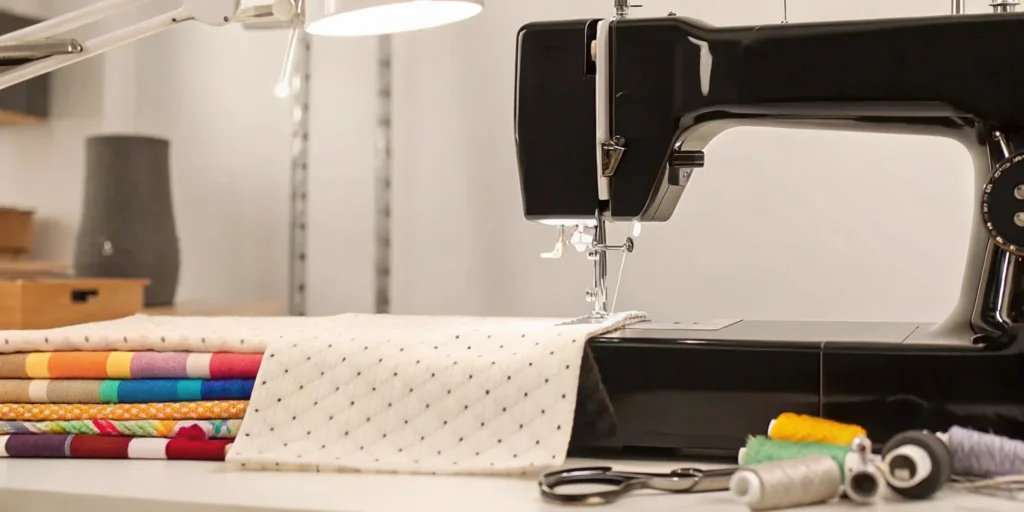
Leave enough room to load quilt layers and reach the rollers comfortably.
What frame size works for the quilts you make?
Picking the right longarm quilting frame size is a big step. You want to make sure your machine fits your room and your goals. Many quilters have a lot of WIPs or UFOs waiting to be finished. The right frame makes finishing those quilts much faster. We often see folks worry about space, but there are many ways to make a longarm work for you. Choosing the best fit helps you enjoy your craft for a long time.
Matching frame length to quilt width
When you look at frame sizes, you usually see lengths like 5 feet, 10 feet, or 12 feet. It is vital to know that the longarm quilting frame size limits how wide your quilt can be. For a king-size quilt, you will likely need a 10-foot or 12-foot frame. A 10-foot frame can hold a quilt top up to about 108 inches wide. If you mostly make baby quilts or lap quilts, a smaller 5-foot frame may be all you need. Always measure your largest quilt top before you buy.
Some frames are modular and can grow with you. For instance, some models can start at 5 feet and expand to 10 feet later. This is great if you plan to move to a larger studio in the future. We want you to have a frame that lasts for years. Buying a frame that fits your current space but can grow later is a smart move for your hobby. It gives you the power to take on bigger projects when you are ready. This type of planning keeps your options open.
Space for backing and clamps
One thing new quilters often miss is the space needed for the quilt backing. Your backing fabric should be 4 to 8 inches wider than your quilt top. This extra width is for the side clamps. These clamps pull the quilt tight so your stitches look great. Because of this, your usable quilting space is always a bit less than the longarm frame lengths you see in the store. You lose about 8 to 12 inches of width to these parts.
The take-up rollers also take up some space. These rollers hold the finished part of your quilt as you move along. You need enough room to walk around the frame to load the fabric. We suggest leaving at least 2 feet of space on all sides of the frame. This lets you move freely and helps you keep your thread tension just right. Proper space planning leads to a much better quilting session. It makes the whole process feel smooth and fun instead of cramped.
Managing king-size quilts in small rooms
If you have a small room but love making big quilts, do not lose hope. You can use a hoop frame to finish large projects in a tight spot. A 5-foot hoop frame lets you quilt a king-size project by moving the fabric as you go. This is a great way to save space while still finishing your biggest quilts. It takes a bit more time to move the quilt, but it works well for many home studios. It is a smart way to get the job done in a spare room.
Comfort is also key when you spend hours at your machine. You should think about your own height when you set up your frame. Many frames allow you to change the height to fit your body. Using a height that works for you helps stop back pain and strain. The CDC suggests using setups you can change to stay healthy while you work. We want you to enjoy every minute of your quilting time without feeling sore. Taking care of your body lets you quilt for many more years to come.
Plan a comfortable longarm quilting workflow
Setting up your quilting studio involves more than just picking a spot for your machine. You need to design a space where you can move freely and reach every tool without strain. A smart layout helps you finish your WIPs and tackle your UFOs with ease. Whether you use a small 5-foot frame or a full 10-foot setup, your longarm quilting frame size sets how you move through the room.
Manage your frame footprint and clearance
Your frame is the heart of the room, but it needs room to work well. You should leave at least two feet of clear space on all sides of the frame. This gap lets you walk around to adjust your quilt backing or clean the tracks. If you use a rear handle for pantographs, you may need even more room at the back. Planning for this clearance around the frame ensures your machine can move smoothly across the entire quilt top.
Think about how your machine gets power and light too. Avoid running cords across your walking paths to prevent trips. Good lighting is also key for seeing your thread tension and stitch quality. We suggest using overhead LED lights plus a lamp on the machine head. A bright space reduces eye strain and helps you spot small errors before they become big problems.
Focus on ergonomic studio tools
Quilting for hours can be hard on your body if your setup is not right. Many frames let you adjust the height from 33 to 44 inches to match your needs. Setting the right height helps you keep a neutral posture and reduce physical strain during long sessions. A rolling stool is another great tool for work that does not need you to stand. It lets you glide along the length of the frame while you watch your progress.
Organization keeps your workflow fast and fun. Keep your bobbins, thread, and needles in reaching distance of the machine. Use wall racks or carts to store your thread by color and weight. This setup prevents you from digging through bins in the middle of a project. When your tools have a home, you can focus on the art of quilting rather than searching for your next spool.
Arrange for current and future projects
A good studio layout handles your current WIPs while leaving room for future goals. If you plan to quilt large king-size quilts, you will need a longarm frame length of at least 10 to 12 feet. Even if you start with a small hoop frame, try to leave space in your room to grow. Modular frames are helpful because they can expand as your skills and project sizes grow.
Good studio design supports your health and helps you get more done. Simple choices like where you put your thread storage or how you path your power cords make a big difference. We want to help you build a space that feels like a haven, not a chore. By planning your frame setup with care, you set yourself up for years of happy quilting in your Colorado home.
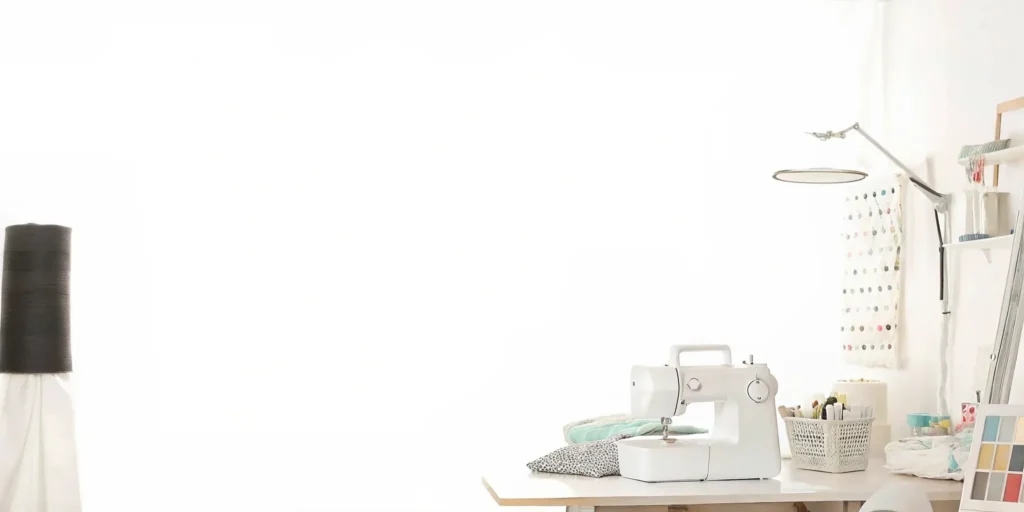
A compact setup can preserve comfortable walking paths while supporting your quilting goals.
Which frame style fits a smaller sewing room?
Choosing the right longarm quilting frame size depends on your floor space and the quilts you make. Many hobbyists think they need a huge studio to start, but new designs offer great flexibility. You can find frames that fit in a spare room and still let you finish large projects like king-size quilts. We help our local quilters find the best fit for their home and goals.
Compact and hoop frame options
If your sewing space is tight, a compact frame or a hoop-style setup might be the best path. Models like the Handi Quilter Little Foot Frame are about 5 feet long and fit into small studios (Source: Handi Quilter). These designs use a smart system where you move the fabric as you go. This means you can still quilt large items without needing a 10-foot wide wall. We often suggest these to keep your rooms multi-purpose.
A 5-foot hoop frame is another smart choice for small rooms. It lets you work on projects of any size, from small pillowcases to full King-size quilts (Source: BERNINA). Since the longarm quilting frame size is smaller, you have more room for your cutting table and other tools. These frames are easy to set up and give you a sturdy base for your creative work.
Modular and adjustable frames
Some frames grow with your hobby. The BERNINA Studio Frame is a modular system that you can set up at 5 feet or grow to its full 10-foot size (Source: BERNINA). This is helpful if you plan to move to a larger home or a bigger studio later. You get the benefits of a small footprint now without giving up the chance for a full-size setup later. We help you plan these longarm frame lengths to match your plans.
Ergonomics are also vital when space is tight. Working in a cramped area can lead to strain if your tools are at the wrong height. Many modern frames let you adjust the height from 33 to 44 inches to keep you comfortable (Source: Handi Quilter). The CDC notes that using adjustable workstations helps reduce body strain and keeps your posture healthy. When you visit us, we can show you how to set up your frame to protect your back and neck.
Planning for workflow and clearance
A common mistake is only measuring the frame itself. You also need to plan for “clearance” space around the machine. This gives you room to walk, manage your quilt backing, and move the longarm head. Good studio design should allow for movement at both the front and rear of the frame (Source: CDC). This ensures you have a good environment that supports high-quality work and better focus on your WIPs.
When we help with frame setup, we look at the whole room. We check that you have enough light and that your paths are clear. This planning prevents frustration and makes your sewing time more fun. If you are unsure about your room size, we can guide you through the measurement steps to find the perfect fit for your home.
Confirm the fit before you choose your longarm setup
A longarm machine is a big goal for many quilters. Before you buy, you must check the space in your home. Some frames are small and fit in 5-foot spots. Others need up to 12 feet to hold large quilts. You must plan for more than just the frame. You need room to walk around the machine and reach the quilt back. We suggest leaving at least 2 feet of space on all sides. This helps you move the machine well and keeps you safe as you work.
Check the exact size
Each brand has a different longarm quilting frame size. Some frames are modular. This means you can build them to be 5 feet or 10 feet long. You should check the current spec from the maker before you plan your room. It is a good idea to mark the floor with tape. This shows you how much space the frame will take. Do not forget to check the path to your room. A big frame needs wide doors and clear halls to reach its new home.
Think about your workflow
How you quilt will change the space you need. If you use software, you may need a spot for a screen. If you quilt by hand, you will need more room to reach the bars. Good light and a clear desk are also key for a longarm frame setup. You want to feel at ease as you finish your WIPs. Using a height that fits your body can help stop pain. Many frames can be set from 33 to 44 inches high. This helps you follow ergonomic rules for better health.
Talk to a local expert
Buying a longarm is a large move. It is wise to talk to people who know these tools well. We can help you pick the best longarm quilting machine for your room and your goals. Our team knows how each frame fits and moves. We can even help with the setup in your home. Visit us to test the tools and see the frames in person. We want to help you find the right fit for your creative life.
Frequently Asked Questions
How much space do I need for a longarm quilting machine?
You should plan for a space that is at least two feet wider and deeper than the frame itself. Most longarm setups need a room that is about ten to twelve feet long and eight feet wide to allow for full movement. According to Rocky Mountain Sewing & Vacuum, you must account for front and rear clearance so you can walk and move the machine head freely. This space lets you load fabric and reach all parts of the machine easily.
What size backing for longarm quilting?
Your quilt backing should be at least eight inches wider and eight inches longer than your quilt top. This extra fabric is needed to attach the quilt to the rollers and to provide room for side clamps. These clamps hold the quilt tight while you stitch to ensure your thread tension stays even. If your backing is too small, you may run out of room for the machine to finish the edges. Proper fabric prep helps you get the best results on your frame system.
How is a longarm quilting machine different from a regular sewing machine?
A longarm machine is built just for quilting and sits on a large frame. It has a much deeper throat space, often eighteen to thirty inches, which allows you to stitch much larger areas at once. Regular sewing machines have a small throat and need you to move the fabric by hand. On a longarm frame, the machine glides on tracks while the fabric stays still. This design makes it much faster to finish big projects like king-size quilts and helps you stay at ease while you work.
Do I need a computerized system for longarm quilting?
You do not need a computer to start longarm quilting. Many quilters prefer free-motion quilting, where you move the machine by hand to create designs. However, a computer system can stitch precise patterns on its own and is great for a quilting business. If you are just starting, a manual machine with stitch regulation is a smart choice for most home studios. According to Rocky Mountain Sewing & Vacuum, you should choose a system that fits your specific goals and workspace needs.
How much does a longarm quilting machine cost?
The cost of a longarm machine varies based on the size and features you choose. Basic systems can start around $5,000, while top-tier machines with large frames and computer systems can cost $36,000 or more. You should also plan for the cost of the frame, which is a major part of the overall footprint. We suggest visiting a local shop to test different models before you buy. This helps you find a machine that offers the best long-term value for your sewing hobby and space.
Ready to schedule your longarm quilting setup consultation?
Waiting to set up your quilting room only slows down your progress on finishing your big works and leads to a room that feels small. If you take the first step now, you can stop space issues and have your new machine running much sooner than if you wait around. Good planning now makes sure you have a clear path for your frame so you can work with much more ease for years to come. You can check our longarm quilting frame size guide for more tips on choosing the right model for your home.
Ready to schedule? Schedule a longarm quilting setup consultation today to find the best frame for your home.