
Outside Colorado? Get Free Shipping + No Sales Tax in Most States

The wrong vacuum head can leave Colorado carpet dirty and hardwood scratched. A smart choice starts with surfaces, dust control, and how often you clean.
Miele vacuum buying guide decisions start with your floors, then your cleaning priorities. For homes with mostly hardwood or low-pile rugs, choose a model with a suitable hard-floor or combination head; for wall-to-wall carpet, consider a powered brush option. Bagged canister vacuums are a strong fit when dust containment matters because their sealed bags help keep debris from escaping during disposal. Models with sealed, multi-stage filtration, often including HEPA filtration, suit households managing allergies, pet dander, or fine dust. Cordless stick vacuums favor quick cleanups and easy movement, while canisters support deeper whole-home cleaning. Colorado shoppers should also weigh local advice and professional service, since regular maintenance can help protect performance over time.
The right fit depends less on a model name than on the surfaces you clean every week. That makes the next step practical: Miele vacuum buying guide: start with your floors. Compare the surfaces in your home before filters, tools, or service needs. Here’s how.
Before comparing models, walk through your Colorado home and list each surface. Count hardwood, tile, area rugs, low-pile carpet, plush carpet, stairs, and the transitions between rooms. The right vacuum is the one that fits the surfaces you clean each week.
Start with the surfaces that cover the most space, then note the places that take extra effort. A mostly hardwood home with one rug needs a different setup than a home with carpeted bedrooms. Stairs and tight landings also matter because a lighter floorhead is easier to guide.
Pay close attention to transitions. A vacuum may move from kitchen tile to a dining room rug, then onto plush carpet in a bedroom. Your list should show where you need a quick floorhead change or a setting adjustment. When you are ready to compare models, explore our range of Miele vacuums.
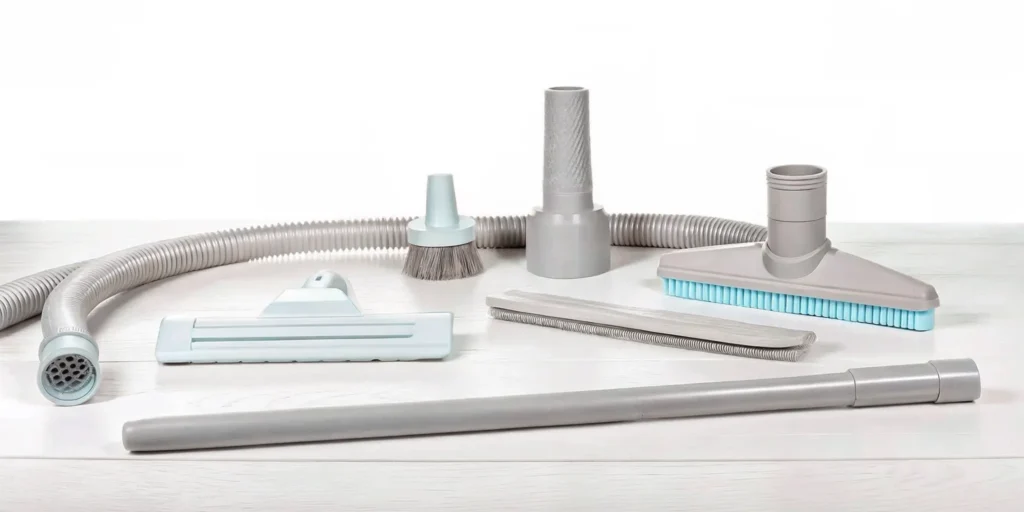
A suction-only floorhead cleans through airflow rather than a motor-driven brushroll. It is a practical match for hardwood, tile, and many low-profile rugs. The head stays simple, and a hard-floor tool can move across bare surfaces without adding an active brush.
This type of setup often suits homes where bare floors make up most of the cleaning area. Still, look at every rug before deciding. A thicker area rug may need more agitation than a suction-only head can provide.
A powered brushroll adds active agitation for carpet fibers. It is worth considering when low-pile or plush carpet covers a large part of the home. Mixed-floor homes may benefit from a vacuum that can pair carpet cleaning with a separate hard-floor head.
Floor fit should come first, but filtration also belongs on your checklist. In one study across 10 homes, filter vacuums produced no measurable airborne dust mite allergen during use. You can review the published study before comparing filtration options.
Bring your floor inventory when you shop. Include the main surfaces, the toughest rugs, the stairs, and any awkward transitions. That simple list helps narrow the choice before features or accessories pull the search off track.
The right format depends on how you clean, not on one universal winner. Start with your usual floor mix, the messes you tackle, and how often you want to empty the machine. You can explore our range of Miele vacuums after you narrow the field.
Bagged and bagless canisters suit planned whole-home cleaning. Cordless models are easy to grab for crumbs, tracked-in dirt, and quick passes between deeper cleanings. The useful question is not which format sounds newest. It is which one fits the way your household already cleans.
| Miele vacuum type | Best fit | Key tradeoff | Questions to ask |
|---|---|---|---|
| Bagged canister | Whole-home cleaning and households that want contained disposal | You need replacement bags and storage space for the canister. | Do I prefer less contact with dust when emptying? Which floorhead fits my floors? |
| Bagless canister | Whole-home cleaning without replacement bags | The dust bin must be emptied and cleaned. | Where will I empty the bin? How often do I want to clean it? |
| Cordless stick | Quick cleanups, stairs, and frequent spot cleaning | Ease of use comes with battery planning and a smaller collection bin. | Will this be my main vacuum or my quick-clean tool? Where will it charge? |
Disposal matters if dust exposure is a concern. A bagged canister can keep debris more contained when it is time to empty the vacuum. Filtration also deserves attention. In one study of filter vacuums, two tested machines produced no measurable airborne dust mite allergen during use in ten homes.
That study does not make every filtered vacuum equal. It shows why filtration and sealing belong on your checklist alongside format. Your floors matter too. Ask whether the floorhead suits hard floors, rugs, carpet, or a mix before you compare models.
If fast pickup is your main goal, look closely at versatile Miele stick vacuums. If you clean several rooms at once, compare canisters first. Bring a short list of your floors, pets, stairs, and storage limits. Those details make a showroom comparison more useful than choosing by format alone.
A bagged Miele canister is worth considering when cleaner debris handling matters as much as floor pickup. The bag keeps collected dust in one removable container, so routine disposal is less exposed than emptying an open dust cup.
Bagged models suit homes where dust, pet hair, and tracked-in grit build up between cleaning sessions. When the bag is ready for replacement, you remove it and install a fresh one. You don’t need to tip loose debris into the trash or clean a dust bin after each emptying.
This setup may appeal to people who want less contact with collected dust. It can also simplify cleanup after vacuuming. The bag is not a permanent part, though. Replacement bags are consumables, so include them in your home care budget and keep spares on hand.
The bag is one part of the filtration pathway, not the whole story. Airflow, the filter, and the vacuum’s seal all matter. Research on filter vacuums found that some machines produced no measurable airborne house dust mite allergen during use in the homes tested. The published study on vacuum filtration supports a careful point: filtration design can affect what returns to the room.
For shoppers with allergy concerns, the model details still matter. Check whether the vacuum has the filtration setup you want, then match it to your floors and cleaning habits. Pet owners should also look at the included tools. A bag helps contain debris, but the right floorhead still has to collect hair from rugs and carpet.
A bagged system creates a simple maintenance rhythm. Check the bag as it fills, replace it when needed, and follow the model’s filter care instructions. If you prefer a ready-to-remove debris container, that routine may suit you better. You won’t need to wash and dry a reusable bin.
Before buying, compare bag access, filter options, and the tools included with each model. You can explore our range of Miele vacuums to see which canisters fit your household. For longer-term upkeep, Rocky Mountain Sewing & Vacuum also offers vacuum service and repair in Colorado.
Pet hair changes the buying decision. Start with the surfaces where hair gathers most often, then match the vacuum head to those areas. Carpet usually calls for a brushroll that can lift embedded hair. Hard floors need a head that collects debris without scattering it.
For homes with pets, the Miele Cat & Dog series is a useful place to begin your comparison. These models are designed around pet-hair cleanup. Still, check the included floor tools against your carpet, rugs, stairs, and hard floors before choosing a model.
A filter is only one part of the picture. Allergy-sensitive households should also consider how the machine contains debris during cleaning and disposal. A sealed bagged system can make emptying simpler because dust stays contained rather than being tipped from an open bin.
A study of filtered vacuum cleaners found differences in airborne house dust mite allergen during use. That doesn’t make a vacuum a medical device. It does show why filtration and containment deserve attention when your goal is to reduce recirculated dust.
Compare the filter option offered with each model, then ask how often the bag and filter need attention. A household with shedding pets may need more frequent checks. For a broader view of current options, explore our range of Miele vacuums before narrowing the list.
Floor care is only part of pet cleanup. Hair also settles on sofas, stairs, baseboards, and along room edges. Look for an upholstery tool for fabric surfaces and a crevice tool for tight gaps. If pets use the furniture often, make those tools part of the main decision.
Think about storage, stairs, and how often you vacuum between deeper cleanings. A strong machine helps only when it fits the way your home is used. The right setup should make routine cleanup easier while keeping dust handling more contained.
A useful Miele vacuum buying guide starts with your rooms, not a model name. Bring a short home checklist to the showroom, then compare machines against the same daily tasks. These five steps help keep the choice practical.
Use the same questions for every model. Does the floorhead move smoothly across your mix of floors? Can you carry the vacuum up stairs without strain? Are the tools easy to reach, swap, and store?
Also ask what comes in the box. A lower starting price may not reflect an extra floorhead or tool you need later. Comparing the full setup makes the differences easier to see.
Take photos of your floors, rugs, stairs, and storage area. Add notes about pets and the rooms you clean most often. This gives the showroom team a clear picture of your home.
Then narrow the field to a few models and test them side by side. The goal is not the longest feature list. It is a machine that fits your floors, your storage space, and your cleaning routine.
A durable vacuum is easier to use when the setup fits your home. Local support can help match the floorhead, brush, and other attachments to your floors. It can also answer simple questions about bags, filters, and routine care before small issues become frustrating.
Bring a clear picture of your flooring mix and the areas you clean most. Pet hair on stairs may call for a different tool than crumbs on hardwood. If you are still comparing models, explore our range of Miele vacuums before you visit a Colorado showroom. You can ask which tools should stay close at hand for your usual cleaning tasks.
Loss of suction does not always point to a major repair. Start with the bag, filter fit, hose, wand, and cleaning head. A clog or worn part may be easier to spot when each piece is checked in order.
Filter care matters because a vacuum must capture debris without sending fine particles back into the room. In one published study, some filter vacuums produced no measurable airborne dust mite allergen during use in the homes tested. The dust mite allergen study also compared dust collection and recirculation.
Stop troubleshooting when the machine has an unusual sound, a burning smell, repeat clogs, or weak pickup after basic checks. A shop can inspect wear items and decide whether a repair is needed. That is more useful than buying parts at random or taking apart a machine without a clear cause.
Professional service also makes sense when a durable vacuum no longer performs as expected. Rocky Mountain Sewing & Vacuum offers vacuum repair service for customers who need a closer look. Local help gives you a place to ask setup questions, confirm attachment choices, and discuss the next step.
Start with your flooring and where hair collects. Carpeted rooms often need a brush designed to lift embedded hair, while hard floors need a tool that gathers debris without scratching. Homes with shedding pets may benefit from a Cat & Dog model with specialized tools. Compare the available Miele vacuums before selecting a model.
A Miele vacuum with a sealed system and HEPA filtration can help capture allergens instead of returning fine particles to the room. Filtration and sealing both matter. A study indexed by PubMed found no measurable airborne dust mite allergen during use of two filter vacuums in ten tested homes. The study did not test every Miele model.
A bagged Miele vacuum can be a practical choice when dust containment matters. The sealed bag holds collected debris for disposal, so emptying the vacuum is less likely to expose the user to loose dust. Bagless models may suit people who prefer a reusable dust bin. The right choice depends on allergy concerns, cleaning habits, and maintenance preferences.
Arrange professional service when suction remains weak after basic maintenance, the vacuum makes unusual noises, or the brush stops working correctly. Service also makes sense when a cord, hose, seal, or motor may need repair. Regular maintenance helps preserve performance over time. Colorado owners can review local vacuum repair services before a small issue becomes more disruptive.
Match the vacuum to your floors, stairs, storage space, pets, and allergy concerns. Canister models suit thorough cleaning and filtration needs, while stick models prioritize maneuverability for quick cleanups. Choose floor tools for carpet, hardwood, or mixed surfaces. If several models seem similar, compare them in person and ask which attachments fit the rooms you clean most often.
Waiting to compare models can mean living longer with a vacuum that does not fit your floors, pets, or usual cleaning routine. A rushed purchase can also make everyday cleanup more frustrating when the machine is not matched to the way you use it. Starting now gives you time to discuss your priorities, narrow the choices, and choose a Miele model that suits your Colorado home.
Ready to compare Miele vacuum models before buying? Find your nearest Rocky Mountain Sewing & Vacuum location and contact our staff to compare the options in person. Bring your questions about flooring, pets, storage, and your cleaning routine so the conversation stays focused on the right fit.