
Outside Colorado? Get Free Shipping + No Sales Tax in Most States
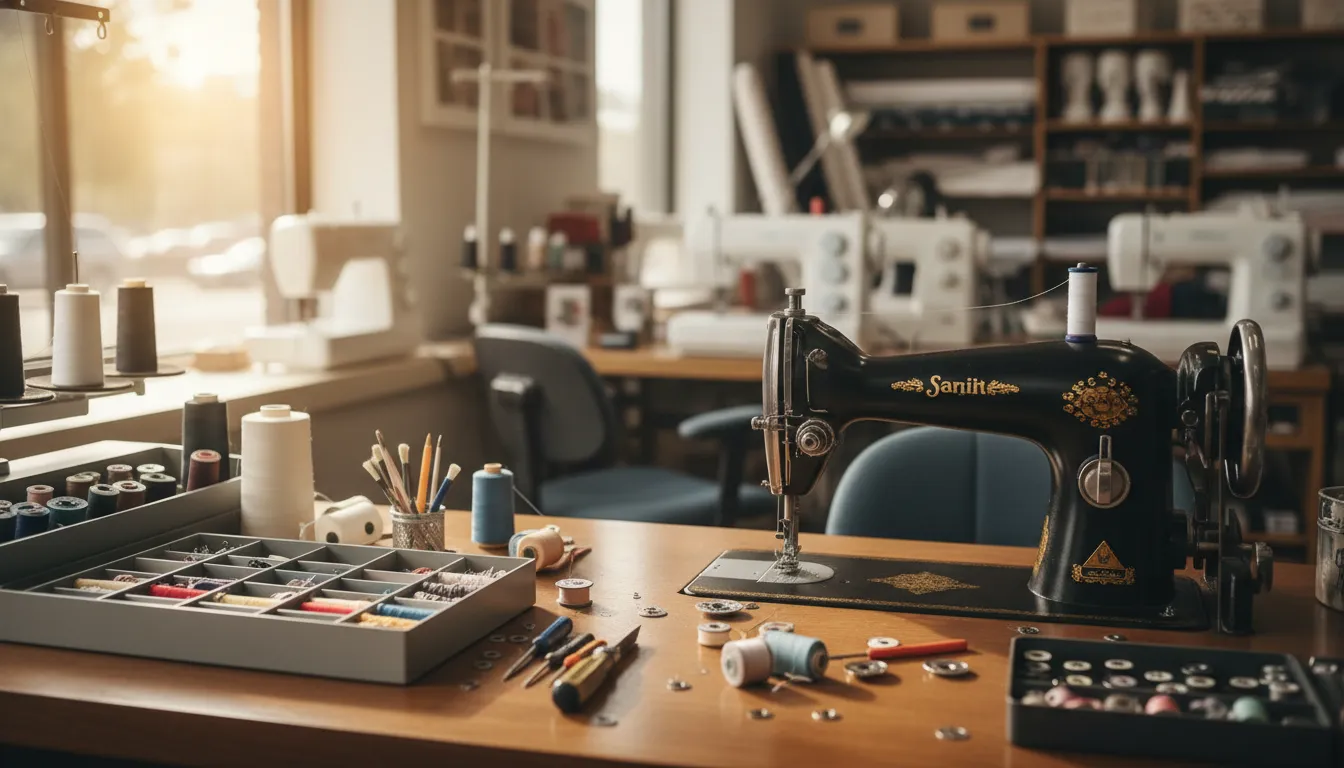
Uneven stitches and thread nests can turn a Saturday quilt into troubleshooting time. Before your next project stalls, a tune-up can catch small service needs early.
Sewing machine tune-up near me is the service Colorado sewists need when stitches skip, tension changes, thread nests appear, or a machine sounds rough. A professional visit typically includes cleaning built-up lint, inspecting working parts, checking stitch quality, and identifying repairs before you approve work. Regular users should plan on yearly maintenance; New Mexico State University notes that regular cleaning and maintenance help a well-made machine sew properly for many years. At Rocky Mountain Sewing & Vacuum, you may simply drop off without an appointment and receive a free diagnostic estimate. Bring the foot control, power cord, and the thread sample that shows the trouble, so the technician can reproduce it.
If you are deciding whether a tune-up is due, you need a clear picture of the visit before packing up your machine. Start with Sewing machine tune-up near me: what a professional service includes, then use the warning signs and drop-off checklist to plan your visit. Here’s how.
When you search for a sewing machine tune-up near me, you want to know what happens after drop-off. At Rocky Mountain Sewing & Vacuum, no appointment is needed at any of its four Colorado locations. Bring your machine, foot control, power cord, and a sample of any thread causing trouble.
At intake, share skipped stitches, jams, noise, or changes in stitch quality. A factory-trained technician evaluates the machine and prepares a free diagnostic estimate. Rocky Mountain services most brands, even if the machine was purchased elsewhere. The professional sewing machine tune-up page provides service details.
Include clear details at drop-off: the fabric you were sewing, the stitch you selected, and when the problem occurs. A thread sample helps the technician see the same issue during testing. That context can make the estimate easier to discuss.
A tune-up includes cleaning where small scraps can interfere with sewing. New Mexico State University advises brushing lint from the bobbin case, under the needle plate, and around the feed dog. Its guide states that dust, lint, and thread ends can cause many machine problems. Read its sewing machine care guide for the care guidance behind this step.
The technician also inspects key parts, looks for wear, and checks how the machine runs. The service can include these routine tasks during a complete tune-up:
Lubrication is not a one-size-fits-all task. A professional service uses oil only where it is right for the machine. This helps avoid placing oil in an area that should stay dry or requires another form of care.
Cleaning and adjustment findings guide the next step. If the technician finds a repair need, you receive a written estimate before added work begins. You can review the issue and approve the work before repair continues.
After approved service, the technician tests the machine for smooth feeding and clean stitch formation. The quality check confirms whether the reported trouble has been addressed. Rocky Mountain notifies you when the machine is ready for pickup.
Repairs performed by Rocky Mountain include a 90-day warranty on the work completed. That follow-up coverage offers a clear service record after an approved repair. Colorado sewists can find a sewing machine repair shop near you and choose a nearby drop-off location.
For regular home sewing, plan a tune-up about once a year. That rhythm helps you start each season with a machine ready for the work ahead. If you need a professional sewing machine tune-up, planning ahead is easier than waiting for a stalled project.
Schedule service sooner if your machine gets heavy use from quilting, embroidery, garment batches, or craft production. Long runs leave more lint and thread bits in working areas. They also put more hours on moving parts than an occasional hemming job.
A machine that has sat unused may also need attention before a major project. In Colorado, that might mean a tune-up before fall quilt making, holiday gifts, or spring event sewing. Test the machine before cutting fabric, so service time does not disrupt your deadline.
Routine care still matters between tune-ups. New Mexico State University notes that a well-made machine can sew for many years with regular cleaning and proper care. It also says many common problems begin with dust, lint, or thread ends in working parts. See its sewing machine care guidance for basic cleaning advice.
At home, follow your machine manual and keep simple care habits in your sewing routine:
Home cleaning removes surface buildup that can interrupt smooth sewing. A tune-up is the right next step when cleaning does not solve the issue. It is also useful before a busy sewing season begins.
Build service into your project plan, not just your repair plan. A regular sewer can set one easy annual reminder, such as before the first fall quilt. An embroiderer making gifts may want service before designs and deadlines begin to stack up.
If a project is close, bring useful details when you drop off the machine. Include the foot control, power cord, and a sample of the thread linked to the problem. This helps the technician see how the machine behaves with the items you use at home.
A sewing machine often warns you before a small issue turns into a repair. If stitches skip, thread snaps, or fabric stops moving evenly, pause and check the basics before sewing another seam. One stray problem may be simple; a pattern of problems calls for a closer look.
Skipped stitches can appear with broken thread, uneven tension, or loops on either side of the fabric. A tangled nest under the fabric may stop your project at once. New Mexico State University notes that many sewing machine problems start with dust, lint, or thread ends in working parts.
Bobbin trouble can look like uneven winding, thread that will not draw up, or repeated nests below the needle plate. Start with a fresh needle that suits your fabric. Then rethread the upper path and bobbin with the presser foot raised, using the machine manual as your guide.
You can also remove loose lint from the bobbin area, needle plate area, and feed dogs with a soft brush. Switch off and unplug the machine first. Do not pry at packed debris, add oil without manual guidance, or force a stuck part to move.
A new knocking, grinding, rubbing, or squealing sound should not be ignored. The same is true if fabric feeds slowly, pulls to one side, or stalls under normal sewing. Stop if the sound continues after you remove lint and install the needle correctly.
One broken needle may follow a bent needle, thick seam, or wrong needle type. Repeated breaks are different. Stop sewing if a needle hits the plate, bobbin case, or presser foot, since more testing can damage nearby parts.
Let the feed dogs move the fabric at their own pace. Pulling fabric can bend the needle and make it strike the needle hole. Check for a correct needle position and an undamaged presser foot before trying one slow test seam.
A hot smell, smoke, a warm power cord, or inconsistent power is a stop-sewing sign. Turn the machine off, unplug it, and do not run a test stitch. Electrical smells and erratic operation need trained service, not more home troubleshooting.
Service also makes sense when fresh threading, a new needle, and gentle lint removal do not correct poor stitches or feeding. Keep a sample of the failed seam and the thread you used. Those clues help a technician see what happened under real sewing conditions.
Warning signs may lead you to search for a sewing machine tune-up near me. Arrange a professional sewing machine tune-up before the next project. Bring the power cord, foot control, and problem thread so the machine can be checked with the same setup.
Finding a sewing machine tune-up near me is only the first step. For a smoother drop-off, bring the machine and parts that let a technician test the issue as you saw it. Rocky Mountain Sewing & Vacuum accepts machine drop-offs without an appointment at its Colorado stores. Start by choosing the most convenient location for machine drop-off.
Pack the machine with care, then gather the items used when the trouble began. A full setup can help the service team see a skipped stitch, tension change, odd sound, or feed issue under similar conditions.
Small details can make the issue easier to track. New Mexico State University notes that dust, lint, and thread ends can cause many sewing machine problems. A fabric swatch, thread sample, and short note can show where the trouble appears. They can also help show a care need or repair concern.
Do not worry if you cannot bring every optional item. Start with the machine, foot control, power cord, and sample thread. Then add items tied to the issue. To review service details before stopping in, visit the sewing machine repair service page. Bring your project question, too, so the store can record the issue clearly at drop-off.
Some sewing machine care is simple and safe at home. Other work calls for trained eyes, the right tools, and access to parts inside the machine. Knowing the line helps you solve small snags without making a hidden problem worse. Start with cleaning and setup checks; stop when the fix involves timing, wiring, or controls.
Lint is often the first place to look when a machine starts acting up. New Mexico State University recommends cleaning first because thread ends, dust, and lint can collect on working parts. Its sewing machine care guidance describes brushing the bobbin case, needle plate area, and feed dogs with a soft brush.
| Machine concern | Safe at-home step | Professional tune-up task |
|---|---|---|
| Lint or loose thread | Brush visible lint from approved areas. | Deep inspection of internal buildup. |
| Skipped stitches or thread breaks | Insert a new needle and rethread the machine. | Check timing, hook alignment, and wear. |
| Care schedule | Check the manual for cleaning and oiling directions. | Perform service that requires opening the machine. |
| Fabric feeding poorly | Stop pulling the fabric as it feeds. | Inspect feed parts and needle strikes. |
| Power or unusual smell | Turn off and unplug the machine. | Inspect electrical issues safely. |
| Computerized error or frozen screen | Record the error message and model name. | Test controls, firmware, or internal electronics. |
Keep the owner’s manual close when you clean the machine. It shows which covers may be removed and whether your model needs user-applied oil. When a step is not in the manual, leave that work for service instead of taking the case apart.
A fresh needle is a practical first step, but it cannot correct every sewing problem. Guide fabric lightly instead of pulling it through the machine. Pulling fabric may bend a needle and cause it to strike the needle hole, as explained in this needle safety guide.
Call for service when basic cleaning, a new needle, and careful rethreading do not restore smooth stitching. The same rule applies to grinding sounds, repeated jams, power concerns, or screen errors. A professional sewing machine tune-up lets a technician inspect internal parts without guesswork at home.
If you search for a sewing machine tune-up near me, describe the symptom before drop-off. Bring the power cord, foot control, and the thread linked to the issue. These details help the service team test the machine under the same conditions that caused the problem.
When you search for “sewing machine tune-up near me,” distance matters. A machine is easier to service when drop-off and pickup fit into your day. Rocky Mountain Sewing & Vacuum accepts machine drop-offs in Arvada, Aurora, Littleton, and Colorado Springs.
No appointment is needed for machine drop-off at any of the four stores. You can find a sewing machine repair shop near you and choose the most useful stop for your drive, errands, or work schedule.
Each drop-off starts with a free diagnostic estimate. This lets you learn what your machine needs before you approve repair work. The store services most sewing machine brands, even when the machine was bought somewhere else.
This approach is useful for an older machine or a used machine you recently purchased. It also helps when a machine begins skipping stitches. The professional sewing machine tune-up page explains the local service option and helps you plan a drop-off.
Bring your machine, foot control, power cord, and a sample of the thread causing trouble. These items help the service team check how the machine works with the setup you use at home.
It also helps to note the problem before you arrive. Write down when thread breaks, stitches skip, or a sound begins. New Mexico State University notes that dust, lint, and thread ends can cause many sewing machine problems. See its sewing machine care guidance for basic care details.
A local drop-off gives Colorado sewists a clear first step. You can get an estimate without an appointment, then decide how to proceed once the machine has been checked.
A tune-up gives your sewing machine a clean starting point. Your everyday habits help it stay ready for the next quilt, hem, or gift project. Keep care simple, and pay attention to changes in sound or stitch quality.
Use this routine after service and as you begin new projects. It helps protect the work already done during a professional sewing machine tune-up.
Match the needle to the fabric and project, then choose good thread that feeds smoothly. Replace a dull, bent, or damaged needle before it affects your stitching.
Brush away visible lint from areas your manual says you may access, such as the bobbin area. Do not open covered parts. Oil only if the manual directs you.
Let the feed dogs move the fabric. Avoid pulling or pushing the project while you sew, even at a thick seam or bulky quilt layer.
Cover the machine when it is not in use. A cover helps keep lint, dust, and pet hair away from the thread path and work area.
Keep a small note when something changes, such as skipped stitches, thread breaks, or a new sound. Add the fabric, needle size, thread, and stitch used.
Bring that note to your next class or service visit. Clear details help an instructor or technician see what happened while you were sewing.
Clean what you can see and reach safely. New Mexico State University guidance notes that dust, lint, and thread ends cause many sewing machine problems. A soft brush is often enough for routine lint removal in areas you can reach.
If a symptom returns after a tune-up, stop and make a note. Do not force the project through. Bring the machine’s power cord, foot control, and problem thread when you seek service again.
A serviced machine is easier to learn on because you can focus on skills and settings. A new owner lesson can cover threading, bobbins, needles, and basic features. Skill-building sewing and quilting classes also give you a place to bring questions from current projects.
Rocky Mountain Sewing & Vacuum provides free diagnostic estimates on all repairs. A technician evaluates the machine before authorized work begins and provides an estimate. Actual tune-up cost can depend on the machine type, condition, and any needed parts or repairs. For a current quote, bring the machine for evaluation rather than relying on a general service price online.
No. Rocky Mountain Sewing & Vacuum states that no appointment is necessary for machine drop-off at its four Colorado locations. Bring your machine during store hours, with its foot control and power cord. Adding a sample of the thread involved in a problem helps the service team test the setup you were using.
Yes. Rocky Mountain Sewing & Vacuum services most sewing machine brands, including machines purchased somewhere else. When dropping off a machine, share its brand, model, and the symptoms you noticed. The diagnostic evaluation can identify whether routine maintenance is enough or whether an additional repair and authorization are needed.
Regular users should generally plan a tune-up about once a year, according to Rocky Mountain Sewing & Vacuum. Schedule service sooner if stitching becomes uneven, tension problems continue, or the machine makes unusual sounds. The New Mexico State University Cooperative Extension Service notes that dust, lint, and thread ends cause many machine problems.
Waiting until a machine problem disrupts a project can cost you sewing time and add stress when deadlines are close. Starting service now gives you room to resolve concerns before your next quilt, class project, or handmade gift is underway. A timely check also helps you move forward with a clear plan for repair, maintenance, and your next sewing session.
Ready to protect your project time and get back to steady stitching? Request your free sewing machine repair estimate to start the service process today. If your machine is causing trouble, planning service now is simpler than pausing a project later. Bring the machine, foot control, power cord, and problem thread sample at drop-off, so the team can review your concern.