
Outside Colorado? Get Free Shipping + No Sales Tax in Most States

The wrong vacuum can dig grit out of carpet, then scatter that same debris across hardwood. A well-matched vacuum for hardwood floors and carpet changes its cleaning action as easily as you move from a rug to bare wood.
Shop vacuum cleaners for mixed-floor homes and compare floor controls with help from our team.
A vacuum for hardwood floors and carpet should pair strong, adjustable suction with a brushroll you can switch off or control. The powered brushroll lifts embedded grit and hair from carpet, while shutting it off protects wood and keeps debris from scattering. Look for useful floor tools, easy height or suction controls, sealed filtration, and enough reach to clean your layout without constant outlet changes. Machine design matters because dust pickup varies between vacuums, and research comparing filtered models found a significant difference in how much floor dust they retrieved. Choose around your carpet pile, amount of hardwood, pets, stairs, and storage space, then test how smoothly the vacuum moves between surfaces.
The right choice comes down to how each feature handles floor transitions in your home, not the label on the box. Next, we answer, “What makes a vacuum work on hardwood floors and carpet?” by explaining the core features behind reliable mixed-floor cleaning. Here’s how.
A vacuum for hardwood floors and carpet must solve two different cleaning jobs. Carpet needs agitation to lift grit and hair from between its fibers. Hardwood needs steady airflow and a gentle floor head that gathers debris without scattering it. The right machine lets you change its cleaning action as the surface changes.
A powered brush roll helps loosen dirt from carpet. On hardwood, that same spinning brush can push crumbs away or send grit across the room. Look for a clear way to switch the brush roll off. Controls on the handle make frequent floor changes easier.
Brush roll height matters on carpet, too. A head set too low may feel hard to push, while one set too high may miss deep debris. Adjustable height or an automatic setting helps the head stay close without gripping the pile. Research also shows that vacuum designs can differ in how much dust they retrieve from floors.
A soft-bristle hard-floor head reaches into seams and moves smoothly around furniture. A motorized carpet head adds the agitation needed for rugs and wall-to-wall carpet. Some machines combine both jobs in one head. Others use separate heads, which can give you more control on each surface.
Variable suction is useful when moving from firm hardwood to a light area rug. Full suction may pull up a small rug or make the head hard to move. Lowering suction helps the tool glide while it still collects surface debris. Our guide to vacuums for mixed flooring shows how useful several suction settings can be.
Think about the path you clean, not just each floor alone. Wheels should roll over thresholds without catching, and the head should fit beneath nearby furniture. A long hose or wand also helps you clean stairs and rug edges without dragging the machine.
Before choosing a vacuum, test the controls and floor head if possible. Switch from hardwood to carpet, cross a threshold, and turn around a chair. Notice whether adjustments feel simple enough to use every time. Consistent, easy changes help one vacuum clean both surfaces well.
A useful vacuum for hardwood floors and carpet should change how it cleans when you cross from one surface to another. Brush roll shutoff stops the spinning bristles on wood, which helps prevent scattered crumbs and needless contact with the finish. Turn the brush roll back on for rugs and carpet, where it can loosen grit from the fibers.
Suction control adds another layer of care. Strong suction can help on dense carpet, but it may pull at a light area rug or make the floor head hard to move. Lowering the suction keeps the rug flat and makes delicate cleaning easier. Our guide to vacuums for mixed flooring shows how several suction settings work in daily use.
A soft floor head uses gentle bristles to gather fine dust from wood without a spinning brush roll. Its shape should also let larger bits reach the air path instead of pushing them across the room. On carpet, a powered head gives the brush roll the drive it needs to lift debris from the pile.
Height settings control how closely a powered head sits against carpet. A low setting suits short pile, while a higher setting gives deeper carpet room for airflow and brush movement. Machine design matters here. In one study comparing vacuum dust retrieval, one model removed more dust from floors than another.
| Feature | Hardwood | Area rugs | Carpet |
|---|---|---|---|
| Brush roll shutoff | Stops spinning bristles | Helps with fringe and light rugs | Switch brush roll on |
| Height settings | Not usually needed | Useful for thicker rugs | Matches the carpet pile |
| Suction control | Balances pickup and movement | Prevents lifting and bunching | Adds pull for deep cleaning |
| Soft floor head | Gathers dust with gentle bristles | Limited use | Not made for deep pile |
| Powered floor head | Use with brush roll off | Useful when settings allow | Agitates carpet fibers |
Do not judge these features only by their labels. Try each control and note whether it is easy to reach while cleaning. Check that the head glides on wood, stays steady on rugs, and moves freely across your carpet. A feature helps only when you can switch it without breaking your cleaning rhythm.
Also consider which tools come with the machine and which require a separate purchase. The right package should cover your current floors without leaving you with heads you will rarely use. For one detailed example, see our vacuum for hardwood floors and carpet review before comparing models in person.
The right vacuum style depends on how your rooms connect, where you store the machine, and how often you clean. A vacuum for hardwood floors and carpet should also let you change its cleaning action as the surface changes. Machine design matters because dust pickup can vary between vacuum models.
A canister keeps the motor and dust container on the floor while you guide a hose and cleaning head. This setup can work well in homes with stairs, furniture, and several flooring types. Many people also find the wand easy to steer around table legs and into tight spaces.
Look closely at the included floor heads and controls. For mixed floors, useful features include adjustable suction and a brushroll that you can turn off. A dedicated hard-floor tool can handle bare surfaces, while a powered head can help clean carpet. Our vacuum for hardwood floors and carpet review shows one canister-style example.
The tradeoff is that the canister follows behind you. Some people enjoy the lighter feel at the wand, but others prefer moving one complete unit. Test how the hose reaches, turns, and stores before choosing this style.
An upright combines the cleaning head, motor, and dust container into one unit. It can feel direct and familiar across open rooms. This style often suits a home with broad carpeted areas and fewer stairs.
Mixed-floor performance still depends on the controls, not the upright shape alone. Check whether the brushroll stops for hardwood and whether the height adjusts for different carpet piles. Also confirm that you can lower the suction when cleaning area rugs that tend to lift.
An upright may take more effort around chairs, low furniture, and stair treads. Before buying, move it through the same turns you make at home. Check its weight in your hand, not just the number on a label.
A cordless stick vacuum is easy to grab for crumbs, pet hair, and small messes between deeper cleaning days. Its slim shape also fits homes with limited storage. For mixed flooring, look for simple surface controls and a head that moves smoothly from hardwood to rugs.
Run time, bin size, and cleaning head design can affect how useful a cordless model feels in a whole home. Compare those details with your floor plan and cleaning habits. If you have many rooms or thick carpet, decide whether quick access matters more than long cleaning sessions.
No single format suits every mixed-floor home. A canister favors reach, an upright favors direct carpet cleaning, and a cordless model favors fast pickup. Try each style on both surfaces, then choose the one you will use often and maintain well.
Before choosing a vacuum for hardwood floors and carpet, map the surfaces it must clean and test the machine on similar flooring. A short, focused trial can reveal handling problems that a feature list will not show.
Start by estimating the share of hardwood, carpet, and area rugs in your home. Then note carpet pile, rug thickness, floor transitions, stairs, and tight spaces. Include pet hair, tracked-in grit, or sewing-room threads if those are part of your normal cleanup.
This map helps you rank features by real need. A mostly hard-floor home may favor a gentle floor tool and easy brushroll shut-off. A carpet-heavy home may need stronger agitation and useful height settings. Research also shows that machine design can affect dust pickup from carpet, as shown in a published vacuum comparison.
Bring your floor map when you test machines. If possible, bring a small rug sample or clear photos of tricky transitions. Ask to try each main tool rather than testing only the standard floorhead.
Begin on bare flooring. Check whether the floorhead glides well, reaches edges, and picks up grit without scattering it.
Move onto low-pile carpet, then test thicker carpet or a rug. Notice whether the head pushes easily or clamps down.
Cross a floor transition several times. The vacuum should move from hardwood to carpet without catching, tipping, or needing an awkward lift.
Reduce suction on a light area rug. Confirm that the rug stays flat and the nozzle still removes visible debris.
Carry or guide the vacuum as you would on stairs. Check its weight, balance, hose reach, and tool security.
Switch tools and settings without help. Controls should feel clear enough to use during a normal cleaning session.
Listen to the machine, but also watch your posture and grip. A capable vacuum can still be the wrong fit if steering strains your wrist. Check whether the cord, hose, and wand reach your usual rooms without constant changes.
Test maintenance tasks before deciding. Remove and replace the bag or bin, inspect the brushroll, and locate the filters. These steps show whether routine care will feel manageable. For a real mixed-floor example, review our vacuum for hardwood floors and carpet test before your visit.
Finally, repeat the hardest part of the trial with your top two choices. Compare pickup, control, noise, and tool changes using the same route. This side-by-side test makes tradeoffs easier to spot and keeps the choice tied to your home.
Start by tracing the full path your vacuum must travel. A machine may clean both main floors well yet feel awkward on stairs. Check its weight, hose reach, handle grip, and balance before deciding.
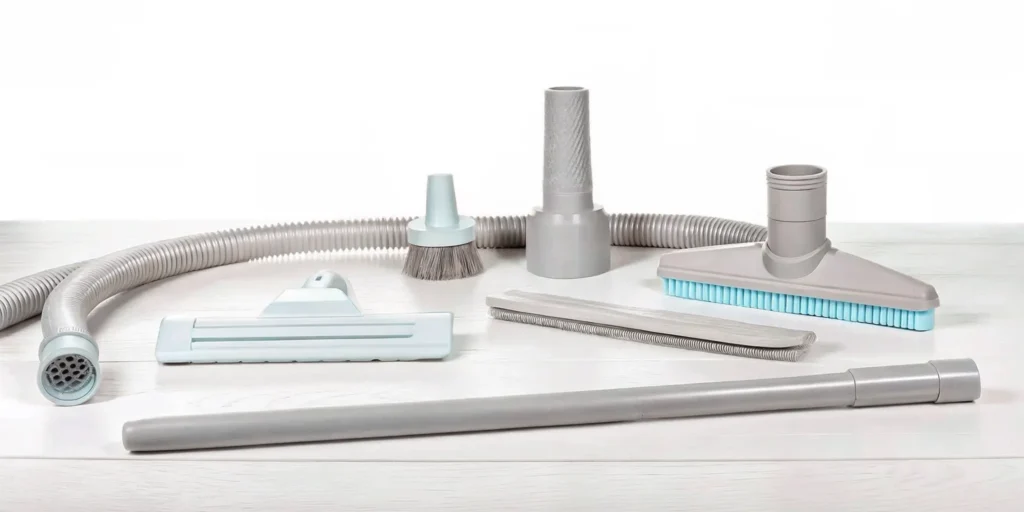
For carpeted steps, look for a compact powered or air-driven tool that can lift debris. You should not need to balance the floor head. A crevice tool helps along stair edges. A soft dusting brush handles railings, trim, and hard stair treads with less risk of scuffs.
Canister vacuums often let you leave the main unit below while moving a lighter hose and wand. Upright shoppers should test how the machine rests on a step. In either case, secure storage for attachments makes the right tool easier to use when a quick cleanup is needed.
Area rugs need a gentler touch than wall-to-wall carpet. Strong suction can pull at rug edges or make a floor head hard to move. Adjustable suction gives you more control, while brushroll shut-off helps protect delicate rugs and bare hardwood.
For pet hair, consider every surface where fur collects. A powered upholstery tool can help on stairs, sofas, and pet beds. A crevice tool reaches baseboards and corners, while a full-size brushroll handles carpet. Choose parts that are easy to remove when wrapped hair needs clearing.
Floor-head design also affects how well a machine retrieves dust from carpet. In one home study, one tested model collected more floor dust than another. The study shows why buyers should compare the full cleaning system, not suction claims alone. See the published vacuum performance study for details.
Filtration matters most when the vacuum keeps captured dust from returning to the room. Look beyond a HEPA label. Ask how air moves through the machine, whether the body is sealed, and how you empty or replace the dust container.
HEPA-filtered machines can limit airborne allergen release during use. In a small home study, two filter vacuums produced no measurable airborne dust mite allergen while cleaning. That does not make every HEPA vacuum equal, but it supports treating filtration as part of the whole system.
Also plan for ongoing care. Check the filter schedule, bag or bin process, and replacement-part access before buying. If allergies are a key concern, avoid opening a dusty bin indoors. A well-fitted bag may offer a cleaner disposal routine for your household.
Your special needs should narrow the shortlist, not force a poor fit on the main floors. For one useful mixed-floor example, review this vacuum for hardwood floors and carpet. Note how its tools match your stairs, rugs, and pet areas.
Start by listing every surface the vacuum must clean. Note the amount of hardwood, low-pile carpet, thick carpet, stairs, and area rugs. Then add the messes you face most, such as pet hair, tracked grit, or sewing-room threads. This short audit helps you choose useful features instead of paying for extras you will rarely use.
A vacuum for hardwood floors and carpet should let you change its cleaning action as the surface changes. Look for adjustable suction and a motorized brushroll that you can switch off. The brushroll can lift debris from carpet, while the off setting helps protect hard floors and delicate rugs.
Floor-head design matters because cleaning results can vary between machines. One study of carpet dust retrieval found that one tested model collected more dust than another. A home trial is the clearest way to judge handling and pickup on your own floors.
Choose attachments around your actual cleaning routine. A crevice tool handles edges, while an upholstery tool helps with furniture and pet hair. A powered small brush can be useful for carpeted stairs. Make sure each tool stores neatly or is easy to keep close by.
If allergies are a concern, ask about sealed filtration and filter care. Research found that some filtered vacuums limited airborne dust-mite allergen during use. Also check the vacuum’s weight, handle comfort, cord reach, hose reach, and noise. Lift it, steer it, and carry it before deciding.
Before buying, learn what regular care involves. Ask how often bags, filters, belts, and brushrolls need attention. Check the cost and local supply of those parts. A well-built machine still needs simple care to keep its airflow and floor tools working as intended.
Dealer support reduces guesswork after the sale, especially when a noise, clog, or worn part needs expert attention. Rocky Mountain Sewing & Vacuum offers all-brand repair services, so local help is available even for machines bought elsewhere.
A cordless vacuum can clean both hardwood and carpet when its floorhead handles each surface well. Look for adjustable suction, brushroll control, and enough battery capacity for your usual cleaning route. Cordless models suit quick cleanups and smaller homes. For longer sessions or thick carpet, compare runtime and sustained carpet performance before choosing one.
A pet-friendly mixed-floor vacuum should combine strong suction, effective filtration, and a brushroll that can be switched off for hardwood. It also needs tools for upholstery, stairs, and edges where hair collects. Machine design matters because research on carpet vacuuming found meaningful differences in dust retrieval between models.
Lightweight vacuums can work well across both surfaces, but weight alone does not show cleaning ability. Check whether the floorhead moves easily on carpet, protects hardwood, and picks up larger debris. Also consider bin capacity, filtration, cord or battery limits, and attachment quality. A comfortable machine is useful only if it handles the flooring in your home.
Start with adjustable suction and a motorized brushroll that can be switched off on hardwood. Then compare floorhead design, filtration, maneuverability, attachments, noise, and maintenance needs. Homes with thick rugs may need height adjustment, while pet owners often benefit from an upholstery tool. Choose a design that can move between surfaces without changing machines.
Waiting to replace a poor fit means spending more time switching tools, repeating passes, and dealing with a vacuum that never handles every room well. Starting now gives you time to compare floorhead controls, suction settings, handling, filtration, and maintenance needs before your current machine causes more frustration. Clear advice can help you narrow the choices sooner, avoid buying twice, and select a vacuum that supports easier weekly cleaning on every surface.
Ready to make a confident mixed-floor choice? Shop vacuum cleaners now, or visit a Rocky Mountain Sewing & Vacuum store for in-person help. Talk to an expert about your floors, rugs, pets, storage needs, and cleaning routine before choosing the model you will use each week.