
Free shipping with a $100 purchase*. Fast Free in store pickup! SHOP NOW
Outside Colorado? Get Free Shipping + No Sales Tax!

Invisible fabric lint and thread dust settle deep inside your sewing machine with every stitch you make. These tiny particles also fill the air you breathe while you work on your favorite quilts. Keeping your workspace clean is about more than just a tidy room.
An air purifier for sewing room setups is essential for trapping fabric lint, thread dust, and chemical odors. By utilizing a True HEPA filter. These units capture 99.97% of airborne fibers before they settle inside your sewing machine’s delicate gears or irritate your lungs, ensuring a cleaner, healthier workspace.
Most quilters know the frustration of finding gray fuzzy lint inside their bobbin case after just a few hours of work. Understanding Why Your Sewing Room Needs an Air Purifier: The Lint and Dust Problem is the first step toward a cleaner workspace and a longer-lasting machine. Protecting your hobby and your health starts with seeing how these hidden particles affect your environment. The path begins with choosing the right filtration system to capture these floating fibers.
Every quilter knows the joy of starting a new project. But as we cut fabric and sew seams, our workrooms fill with tiny bits of fluff. This lint is more than just a mess on the floor. It floats in the air and lands on every surface of your craft space. Whether you are ending old WIPs or starting fresh, an ideal air purifier for sewing rooms helps keep your space clean.
Fabric is made of tiny fibers that break off while you work. Cotton sheds a lot of dust during cutting and sewing. This dust can coat your half done UFOs and dull the bright colors of your quilts. It also creates a film on your tables and tools. The EPA says that indoor air can hold many types of small bits that affect your home. In a sewing room, these bits are mostly lint that stays in the air for hours.
You might notice a layer of grey fuzz on your shelves after a day of sewing. This lint is not just ugly. It can attract more dust and even moisture from the air. When lint gets damp, it sticks to everything and is hard to clean. An air cleaner catches these fibers as soon as they leave the fabric. This stops the buildup before it can cover your room or ruin your latest project.
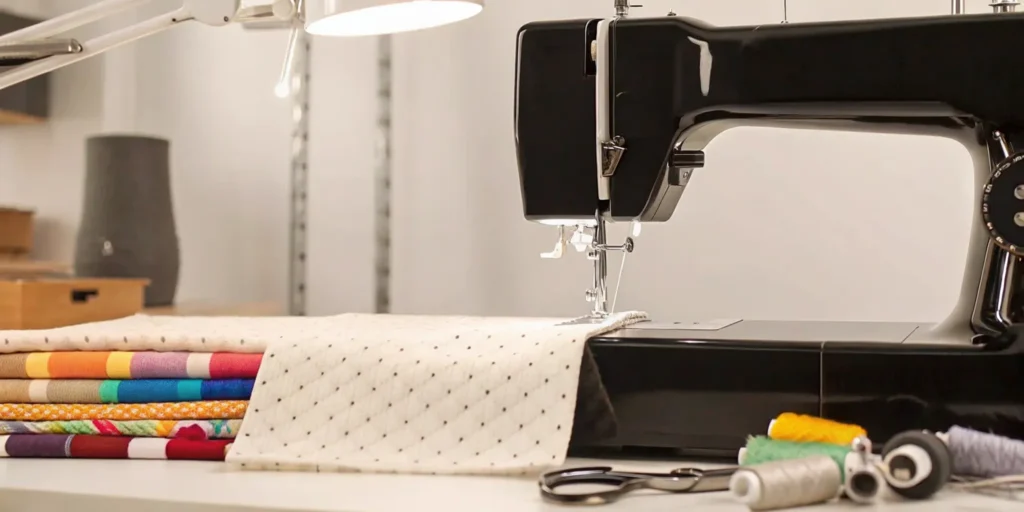
Your sewing machine is a fine tool, but lint is its worst enemy. Fine fibers can get inside the motor and clog up the gears. This leads to heat that can wear down parts. Dust also builds up in the tension discs. This ruins how your stitches look and can cause the thread to snap. Keeping the air clean is a simple way to help it stay in top shape. Using good air filtration for sewing rooms protects your machine and keeps your stitches perfect.
Many new machines have small fans that pull in air to stay cool. Lint can block these fans and make the tech parts get too hot. This is a common cause of repair costs that you can avoid. When you use a filter, you reduce the fuzz that gets into your machine vents. This means you can spend more time sewing and less time taking your machine in for repair.
When you sew for hours, you breathe in all that floating lint. This can cause a dry throat or make you cough. For people with asthma, the dust can be a risk. A top filter catches these tiny fibers before they reach your lungs. This makes your sewing time much more fun. We want you to enjoy every minute at your machine. We believe you should be able to say yes to more sewing without health worries.
Clean air also helps you stay focused. It is hard to sew a straight line when you are sneezing. By removing the dust, you can work longer and feel better. A quiet air cleaner runs in the background while you focus on the fun parts of quilting. This is a smart choice for any crafter who spends a lot of time in their work space.
Your sewing room is a place for your crafts, but it is also a source of fine dust. Every time you cut fabric or run your machine, tiny fibers fly into the air. These small bits of lint can settle on your projects and get inside your sewing machine. We want to help you keep your space clean so you can focus on your latest WIP. A high-grade ideal air purifiers for sewing rooms will trap these bits before they cause any trouble.
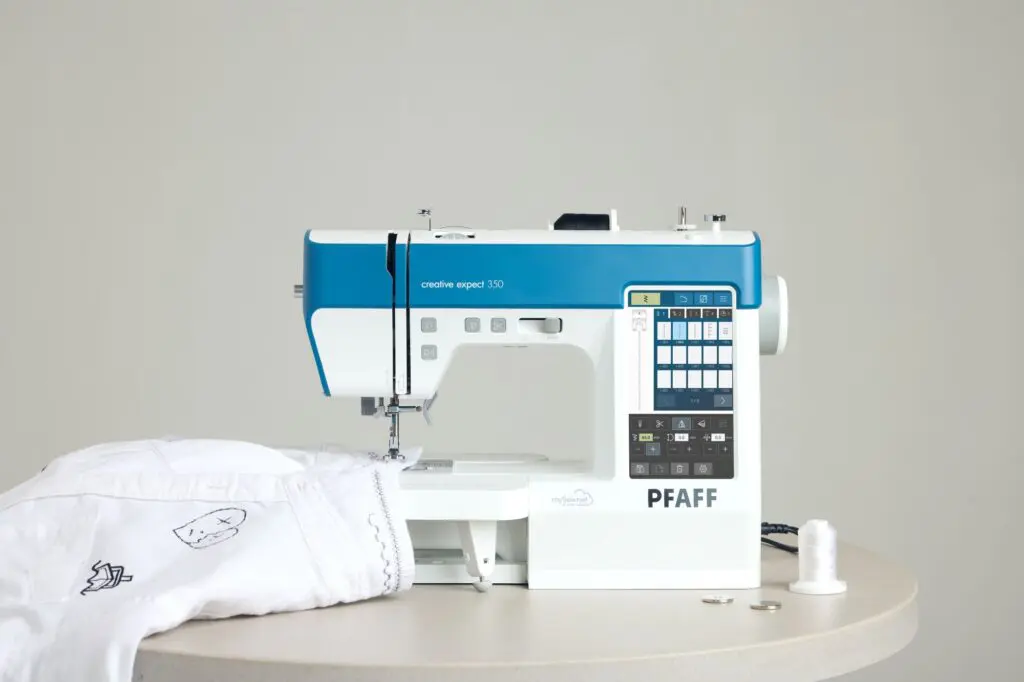
The most vital feature for any sewing space is a True HEPA filter. Fabric lint is much heavier than normal house dust. It can quickly clog a standard-grade filter that is not up to the task. As per the EPA, HEPA filters are built to trap 99.97% of tiny bits. This includes the fine thread dust that comes off your machine. Using proper air filtration for sewing rooms ensures that these fibers do not end up in your lungs or your bobbin case. Lint does more than just make a mess on your table. It can also build up inside your machine and cause the motor to run hot. If you own a high-end PFAFF or Viking machine, you know how vital it is to keep it clean. A good air cleaner pulls that lint out of the air before it ever touches your gear. This helps your machine last longer and keeps your stitches looking sharp.
Sewing also involves more than just fabric. Many quilters use spray glues or starch to keep their blocks in place. These products can release gases and smells that linger in the room. Man-made fabrics and new rolls of vinyl can also off-gas. This may lead to headaches or a stuffy nose. The EPA notes that most air filters catch either dust or gases, so you should look for a dual-filter system. An active carbon filter is the best way to handle these smells. The carbon traps the gas bits so the air stays fresh. This is vital if you spend long hours in a small room with poor airflow. We always suggest choosing a unit that has a thick bed of carbon. Thin mats may not last very long against strong fabric odors.
When you buy an air cleaner, you must look at the Clean Air Delivery Rate, or CADR. This number tells you how much air the unit can clean in a set amount of time. You need a CADR that is large enough for the size of your sewing room. If the unit is too small, it will not be able to keep up with the amount of lint you create while you work. A good rule is to pick a model that can cycle the air in your room at least five times per hour. This ensures that the air stays clear even when you are cutting large pieces of fabric. By choosing a unit with the right power, you create a healthy space. Then you can “say yes” to even the biggest and messiest projects.
To get the most out of your air purifier for sewing room use, you need to put it near the source of the dust. Lint and fine fabric fibers are heavy. They tend to settle quickly after you cut or sew. If you place the unit too far away, the dust will fall on your floor or machines before the filter can catch it. This is why being close is key for catching the most lint.
Try to keep the unit within three to five feet of your main workspace. This helps the machine grab small bits of dust while they are still in the air. For those with a large sewing room environment, you might need two units. This helps you cover each zone in a big space. Placing the filter near your cutting mat and your sewing machine is a smart move.
When you work on long projects, the amount of lint in the air grows. A unit that sits too far away will simply miss the bulk of these fibers. By keeping it close, you ensure the air stays clear while you work. This keeps your fabric clean and your lungs happy too.
Most people put their air purifiers on the floor, but this is not always best for a craft space. Since fabric lint starts at table height, a raised spot can work better. Placing the unit on a small stool or a low shelf helps it pull in air where the dust is most thick. You want the intake to be at the same level as your sewing machine.
You also need to make sure the air can move freely. Do not hide the unit behind a door or inside a tight corner. A portable air cleaner works best when there is at least a foot of space around all sides. This allows the fan to draw in dirty air and push out clean air without any blocks. Good airflow keeps the motor of the unit from working too hard.
Think about where the air goes when the unit is on. You want a clear path for the air to flow in a loop through the room. If you block the back or sides, the machine will not be able to scrub the air well. Keep the area around the unit clear of scrap fabric and thread tails.
Each room has its own air flow. You must choose a machine that fits the square feet of your shop. If the unit is too small, it will not clean the air fast enough to stop lint build-up. Look for the Clean Air Delivery Rate on the box to make sure it can handle your room. This rating tells you how much clean air the unit gives back each minute.
Top units help protect your sewing machine motors from fine dust. When dust gets inside your machine, it can cause parts to wear down. A good air purifier stops this dust before it gets stuck in the oil or gears of your costly tools. This simple step can save you time on repairs and keep your machine running for years.
Remember that a purifier is a tool to help your air stay fresh. It works best as a way to support air filtration for sewing rooms with good airflow. Keep your unit away from open windows that might blow dust away from the filter intake. This helps the unit do its job without fighting the wind from outside.
At Rocky Mountain Sewing & Vacuum, we know a clean room is a happy room. For over 30 years, our family has helped Colorado crafters find the best tools. Fabric lint and thread dust build up fast in small spaces, risking your health and clogging your machine’s motor. We recommend IDEAL air purifiers because they are durable, German-engineered units that offer top-tier air cleaning.
The IDEAL AP Pro series uses a smart filter system to keep your air fresh. Each unit has a HEPA filter that catches small bits of dust. This is key for an ideal air purifiers for sewing rooms where fine fibers float in the air. These filters can trap 99.97% of dust and allergens. The Environmental Protection Agency says HEPA filters are a great way to remove dust and lint from the air in a single room. This helps stop lint from getting into the oil and gears of your machine.
These units also have an extra layer to stop odors. This helps if you use glues or sprays in your work. The motors are quiet, so they will not bother you while you sew or quilt. You can even use the AS10 air sensor to check your air in real time. This small device looks for gases and dust. It tells your air purifier when to work harder. You can learn more about how these units help you breathe easier with IDEAL air purifiers by reading our full guide.
Picking the right size is key. A unit that is too small will not clean the air well enough. The table below shows the top models we carry and the room sizes they fit. We use a rule where the air is cleaned four times every hour. This is the best way to keep a sewing room free of lint and dust.
| Model Name | Room Coverage (sq ft) | Best Room Size |
|---|---|---|
| IDEAL AP30 Pro. A | 430 sq ft. A | Up to 215 sq ft. A |
| IDEAL AP40 Pro. A | 800 sq ft. A | Up to 400 sq ft. A |
| IDEAL AP80 Pro. A | 1,600 sq ft. A | Up to 800 sq ft. A |
| IDEAL AP140 Pro. A | 2,800 sq ft. A | Up to 1,600 sq ft. A |
The AP30 Pro is a good choice for a small guest room or corner. If you have a big space for quilting, the AP80 Pro or AP140 Pro may be better. These big units move much more air every minute. This helps keep dust off your fabric and out of your costly machines. The AS10 sensor can link to any of these Pro models to give you full control over your air quality.
Rob and our team are ready to help you select the perfect air purifier. With three decades of experience, we support you long after your purchase. Visit one of our Colorado galleries or shop online today to see how we help you stay healthy. We are proud to be your local sewing and clean air experts.
Working with fabric and thread creates a lot of fine lint. This dust can settle on your projects and get into your lungs. While a good ideal air purifiers for sewing rooms will help a lot, you should also take other steps to keep the air fresh. A full plan makes your craft space a better place to work and keeps your gear running well.
The best way to stop dust is to get rid of it before it flies into the air. We suggest you use high-end vacuum cleaners from brands like Miele or SEBO. These tools have great filters that trap even the smallest bits of lint. Clean your floors and tables each day to stop dust from building up and moving onto your clean fabric.
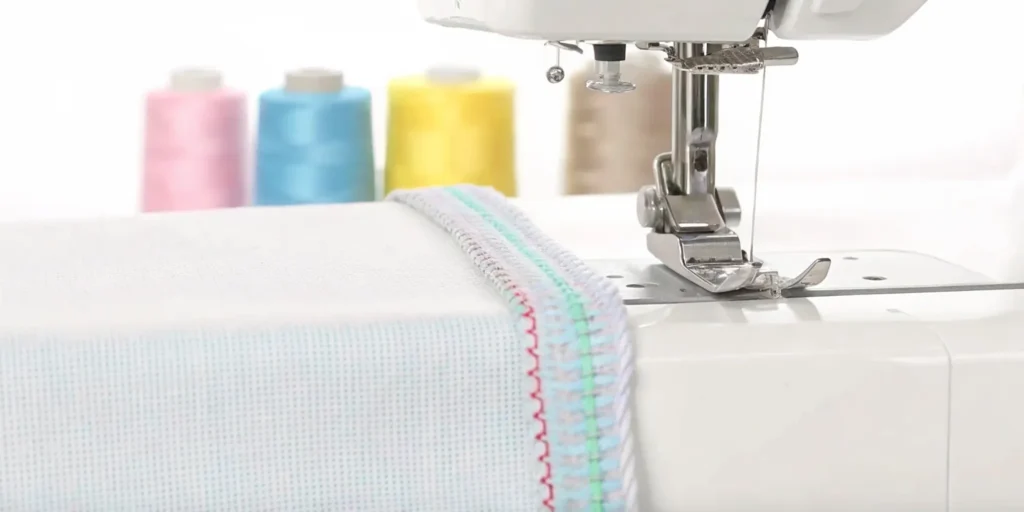
Dust can also hide inside your sewing tools. When you sew, lint builds up around the bobbin and the needle bar. Use a small brush to clean these spots after every few hours of work. Do not use canned air, as this can push lint deeper into the motor. A brush pulls the dust out so it does not blow back into the room air.
An air purifier for sewing room setups can remove many dust bits. But it works best when your room has good air flow. You should try to bring in fresh air from outside when the weather is nice. Research shows that air filters work best as an extra help for source control and ventilation.
Good air flow helps to thin out the dust that your filters might miss. If you have a separate sewing room, try to keep the door open. This allows your home air system to help move the air. But remember that a small room needs its own filter to handle the high lint levels from fabric.
You also need to care for the filters in your machines. If a filter is dirty and full, it will not work well. You should check your air purifier and vacuum filters often. Swapping them out on a set schedule keeps the air clean and stops the motors from getting too hot.
When you buy a new filter, look for a HEPA rating. These filters are made to catch 99.97% of tiny bits in the air. This is very helpful for sewing rooms where lint is always present. Keeping your filters fresh is the best way to make sure your air cleaning stays strong and good for years.
Most units use very little power when left on. However, your costs depend on the model and how often you run it. Users on Pattern Review note that some air filters might add $20 to $25 to a monthly bill. To save money, pick a model that uses less power. According to the EPA, keeping your device clean helps it work better and saves on costs.
You should check your filter every few months. Sewing rooms have more lint and dust than other rooms. This extra lint can clog a filter very fast. A dirty filter will not clean the air well and can hurt the motor. The EPA says that all filters need to be changed often to stay useful. Check your model guide for the right schedule to keep your air fresh.
These machines can greatly lower the lint and smells in your craft room. However, they cannot get rid of all the waste in the air. Good units use HEPA filters for dust and carbon filters for fumes from glue or dyes. As noted by the EPA, portable air cleaners work best as extra help for good airflow and cleaning. They are a great tool, but you still need to dust your room.
Yes, a portable unit is a smart choice for a sewing room. These tools clean the air in one specific room instead of the whole house. This makes them perfect for spots where fabric dust is a big problem. You should choose a unit that fits the size of your room. According to the EPA, these portable tools provide focused cleaning for the air inside your home.
Fabric lint and fine dust build up fast in your craft space and can hurt your health if you do not filter the air well. This mess also jams the small parts of your sewing machine and often leads to very costly repairs that you can simply avoid today. Start now to keep your air clean and your workspace safe so you can spend your time making nice quilts in a healthy sewing room.
Ready to contact? Contact our team to visit one of our Colorado locations or talk to an expert today. We can help you find the best ideal air purifiers for sewing rooms to protect your machine and your own health.
A. B
A. B
A. B