

Your SEBO suddenly sounds strained, the red indicator stays on, or the brush roll stops picking up thread. These are not reasons to give up on a well-built machine. They are signals that a few minutes of focused care may restore the reliable performance you expect.
Get expert vacuum repair support from our factory-trained technicians.
Use this SEBO vacuum maintenance guide to check the bag, filters, brush roll, airflow path, and power cord on a practical schedule. Always unplug the vacuum before inspecting it. Stop if you notice heat, burning odors, electrical damage, or a problem that remains after basic checks.
Many owners ask us how to care for a German-engineered vacuum without turning upkeep into another project. The schedule below separates quick home checks from the warning signs that deserve a technician’s attention.
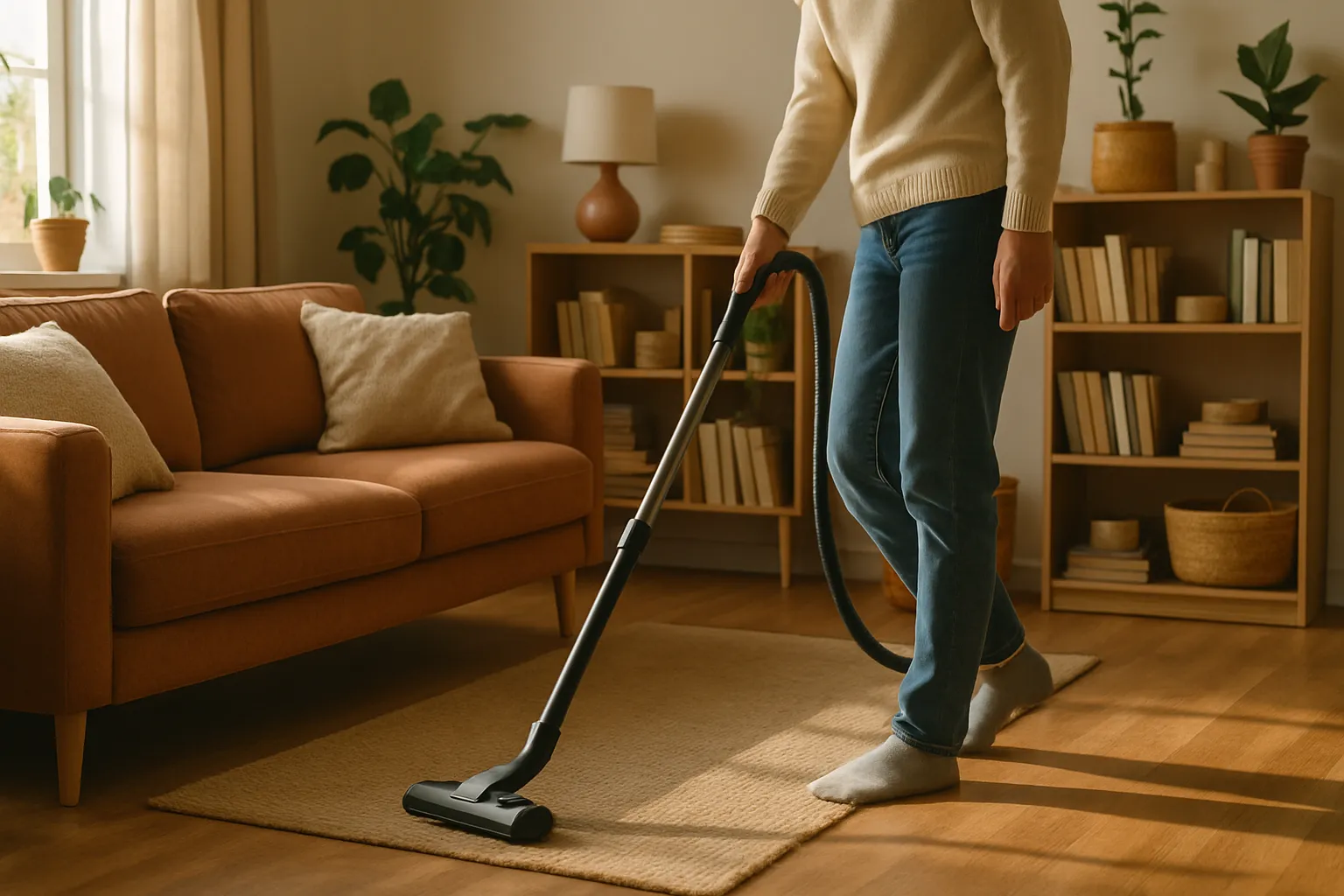
A proactive SEBO vacuum maintenance plan keeps your machine running well for years. These tools are built to last, but home care stops big repair bills. Always unplug your machine before you check for clogs or swap parts. Your needs will depend on your home size, pet count, and floor types.
Check the brush roller for hair or fibers after each use. Tangled dirt can stop suction and hurt the motor. Use a pair of scissors to cut away hair wrapped around the roller. Also, look at the power cord for any twists. When you wind the cord, leave a bit of slack near the handle to prevent wire breaks (sebo.co.uk).
You should change your vacuum bag every three months or once it is full. SEBO bags protect the motor by trapping sharp bits and fine dust. Waiting too long leads to less airflow and poor cleaning power (cdc.gov). If you have pets, check the bag more often. Heavy pet hair fills bags fast, so a monthly swap might be needed for busy homes.
| Task | Standard Home | Pet Owners |
|---|---|---|
| Change bag. | Every 3 months. | Monthly or as needed. |
| Check brush. | Weekly. | After every use. |
| Replace filters. | Every 4 years. | Every 1 to 2 years. |
| Service center visit. | Every 2-3 years. | Yearly. |
SEBO filters need a swap after about 16 bags. For most homes, this is about once every four years. Pet owners should swap them every one or two years due to more hair and dander (sebocanada.ca). Never wash these filters, as water ruins them. If you need help with a deep clean, our professional vacuum service can do that work for you.
SEBO vacuums use thick bags to trap dirt and dust. Proper SEBO vacuum maintenance starts with knowing when to swap these parts. Most people should change the dust bag every three months. But if you have pets or a large home, you might need to do it sooner. You should always change the bag once it is full to keep the motor safe and the air clean.
You do not have to guess when the bag is full. Most SEBO models have a bag full light or a small dial on the top. When the bag fills up, the light turns red or the dial moves. You can also tell by how the vacuum feels. If it starts to lose suction or leaves dirt behind, check the bag first. It is better to change it a bit early than to wait too long. We see many machines in our service center that just needed a fresh bag to work like new again.
Using real bags makes a big change for your health. Mayo Clinic notes that you should use double-layered microfilter bags to lower the dust in your home. Real SEBO bags are made with many layers. They trap tiny bits of dust that lower-quality bags might let back into the air. This keeps your home fresh and helps people with allergies. We suggest using real SEBO parts to protect your home and your warranty.
Your vacuum needs air to move through it to pick up dirt. As the bag fills, it gets harder for air to pass through the dust. The CDC found that as debris builds up in bags, the airflow drops. This means the vacuum cannot pull dirt out of your carpet as well as it should. Keeping a fresh bag in your machine makes sure you get the best clean every time. It also stops the motor from getting too hot because it has to work harder to pull air.
Filters protect the motor and clean the air that leaves the vacuum. You should change your filters after you go through about 16 to 20 bags. For most homes, this is once every four years. If you have pets, you should change them more often. Pet hair and dander can clog filters quickly and cause odors. We suggest pet owners get new filters every one or two years to keep things smelling fresh.
Do not try to wash your filters to save money. These filters are not meant to get wet. Washing them can ruin the special fibers and let dust through. It can also hurt the motor or void your warranty. When it is time for a change, always use new, dry filters to protect your machine. If you are not sure which filter you need, visit our shop for help.
A clean brush roll is vital for deep carpet cleaning. Over time, hair, string, and thread wrap around the roller. This stops the bristles from digging into the rug pile. It can also strain the belt and motor. We want to help you keep your vacuum in top shape. Following these steps for SEBO vacuum maintenance will save you time and money.
Always unplug your machine before you touch the brush roll. This stops the vacuum from starting while you work. Turn the vacuum over so you can see the bottom. Place it on a soft rug or cloth to protect the outer case. You will need a pair of sharp scissors and a small brush. Many SEBO models have a simple latch that lets you see the roll without tools. Check your model manual for the exact spot.
Cleaning helps, but bristles do wear down over time. If your vacuum does not pick up hair like it used to, you might need a new brush roll. Routine care from a professional vacuum service can catch these issues early. We see many units that just need a fresh brush to feel like new again.
German-built SEBO vacuums are made to last for many years. To keep your warranty valid, you must keep the brush roll clear of tangles. Debris that stays on the roller can cause the motor to get too hot. You can find more tips on how to care for your machine at SEBO support.
Finding a clog in your vacuum can be a simple task if you know where to look. Before you start, you must unplug the machine. Safety is key when you work on any tool. We want to keep your hands safe while you check the airflow path. SEBO vacuums often have lights or signs that tell you when something is wrong. These visual alerts show that your suction is low. If you see these lights, it is time to look for a block. Good SEBO vacuum maintenance starts with these quick checks at home.
Most suction issues start with a full bag. You should check the bag before you look for a deep clog. A full bag can slow down the air. This makes the motor work harder. The CDC says that a build-up of debris in bagged vacuums can lead to a drop in airflow over time. If your bag is not full, check your filters. SEBO filters are not safe to wash. You must replace them when they get too dirty. Dirty filters can trigger the clog light even if the hose is clear. We suggest you change your filters after you use about 16 bags. This keeps the motor safe and helps the air flow freely through the machine.
If the bag and filters are fine, the block is likely in the hose. You can remove the hose from the machine to look through it. Use a heavy coin or a small ball to see if it falls through the tube. If it gets stuck, you have found the clog. You can use a long broom handle to push the debris out. Be careful during this step. Never use sharp tools like knives or wire coat hangers. These can poke holes in the hose or damage the inner parts. A hole in the hose will ruin your suction. This might lead to a leak that only a pro can fix.
The last place to check is the bottom of the vacuum. Many SEBO models have an orange trap door on the bottom. This door lets you reach the airflow path near the brush. Open this door to remove any large items like coins or pens. You should also check the brush roller for hair or strings. Use scissors to cut away any hair wrapped around the roll. This helps the vacuum pick up dirt better. If you still have low suction after these steps, there might be a block deeper inside. Our team at Rocky Mountain Sewing & Vacuum can help with a full check-up if these vacuum maintenance tips do not solve the problem.
Often clearing these paths keeps your vacuum running like new. It saves you from costly repairs and keeps your home clean. We treat care as a way to protect your machine for years to come. Checking for blocks is a small task that yields big power for your home.
How you use your machine each day sets how long it will last. Good SEBO vacuum maintenance starts with simple habits. These keep the motor and parts safe. By taking a few extra seconds during your cleaning work, you can prevent wear and tear that leads to big repair bills later.
Each floor type needs a right height setting for the brush roller. If the brush is too low, it can strain the motor. It can also wear down your carpet. Move the dial to find the sweet spot where the bristles just touch the floor. This helps airflow stay strong while you clean.
Passing the vacuum slowly across the floor also picks up more dirt. It protects the belt from snapping. You should also be careful about what you pick up. Avoid using the vacuum on large items like coins or rocks. These can damage the inner fan or poke holes in the bag. Never use your machine on wet spills. Liquids can ruin the motor and cause mold to grow inside the machine.
The power cord is a key part of your machine that many people miss. You should never run over the cable with the power head. Do not pull on it when it gets stuck. Constant tugging can break the thin wires inside the cord. This type of damage can be bad and is often not covered by your machine’s warranty.
When you finish cleaning, unplug the cord before you wind it up. Always wind the cable by starting at the machine and moving toward the plug. This way keeps the cord from twisting into tight knots over time. You should also leave a bit of slack where the wire enters the handle. This keeps the inner wires from fraying and prevents a trip for professional vacuum service.
Your vacuum will often tell you if something is wrong through sound or smell. If the motor sounds louder than normal or you smell burning rubber, stop cleaning right away. These signs can mean that a belt is slipping or a brush is jammed. Checking for clogs early can save your machine from harm.
Check your brush roller once a week for hair or string. Use a pair of scissors to cut these away between the rows of bristles so the brush can spin freely. If you need more help, you can look at our vacuum maintenance tips to see when your machine needs a pro tune-up. Small daily checks ensure your SEBO keeps your home clean for years to come.
SEBO vacuums are made to last for a long time. They use strong German parts to keep your home clean and fresh. Simple home care is often all you need to keep things running well. You change the bags and swap the filters to keep the air clear. But some jobs are too big for a home toolkit. Knowing when to get expert help is key to a long life for your machine. It saves you stress and helps you avoid buying a new vacuum too soon.
Loss of suction is a common sign that your vacuum needs help. You might first check the bag or the filters for a clog. If you fix those and the red light stays on, you may have a deep block. Dirt can hide in the motor or the tubes where you cannot reach it. You should not use sharp tools to dig out a clog at home. These can poke holes in the hose or hurt the motor. A pro can find and fix these blocks with the right tools and care.
The brush roller also tells you when it is time for a check. You should look for hair or thread wrapped around it each week. Over time, the bristles wear down just like an old toothbrush. When they get too short, they cannot pull dust out of your rug. If your brush roller stops turning, it might be a broken belt or a motor fault. Expert care helps your vacuum remove allergens to keep your home safe.
A burning smell is a big warning sign for any SEBO owner. If you smell smoke or burnt rubber, stop and unplug the machine at once. This odor often means a belt has slipped or the motor is working too hard. Too much heat is another red flag that you should not miss. It can mean the air cannot flow through the machine as it should. If you keep using a hot vacuum, you might cause more damage that costs more to fix.
The power cord needs its own care. You should not yank the cord or run over it while you clean. Constant pulling can fray the wires inside the coat. If you see any bare wire or a split in the cord, it is a risk to you. You should never try to fix a cord with tape at home. Bringing your machine to a professional vacuum service is the best way to stay safe. We can swap the cord for a new one that meets factory specs.
At Rocky Mountain Sewing and Vacuum, we are a factory-authorized service center. Our team uses real SEBO parts to make sure your machine stays strong. We follow the “Say Yes” plan to give you the best support for your high-ticket tools. Getting an expert tune-up once a year is a smart move. It keeps your SEBO working like the day you first brought it home.
You should use genuine SEBO bags and filters to protect your machine. Off-brand parts may use lower quality materials that let fine dust pass through to the motor. According to SEBO, their bags are specially made to ensure the best airflow and long life for your vacuum. Using off-brand items might save money now, but they can cause costly damage and may void your warranty over time.
A red light usually means the airflow is blocked or the brush roller is stuck. Most often, this light tells you that the bag is full or the filters are too dirty to work well. Per SEBO Canada, you should check for clogs in the hose if the light stays on after a bag change. Always unplug the vacuum before you look for blocks to keep yourself safe while you work.
To keep your cord safe, always leave a little slack where it exits the handle. Do not pull the cord tight when you wrap it after cleaning. It is also important to unplug the machine from the wall before you start winding the cable. Winding from the vacuum toward the plug helps prevent the cord from twisting or “corkscrewing.” These simple steps help you avoid internal wire breaks that can stop your vacuum from turning on.
No, you must never wash SEBO filters with water or any cleaning liquids. These filters use special fibers that trap tiny particles, and water will ruin their ability to clean the air. Washing them can also lead to mold growth or motor damage if they are not perfectly dry. To maintain your warranty coverage and air quality, replace filters every few years instead of trying to clean them yourself.
Waiting to fix small problems can lead to a total breakdown or a weak motor. If you skip basic care now, you might face the high cost of buying a new machine soon. Simple upkeep helps your vacuum pick up more dust and stay useful for many years. Our team of experts can check your unit today to make sure it works well. You will save both time and money by acting now to keep your home healthy. Taking a few minutes to set up a service visit now prevents a lot of stress later. We make it easy to look after your best tools so they never let you down. Our staff knows how to handle every part of your SEBO machine with care.
Ready to book? Contact us today to schedule vacuum repair service.