


If your machine still forms a stitch, it can be tempting to keep moving from one WIP to the next. Yet service is most useful before a small change becomes a project-stopping problem. So, how often should you service a sewing machine? For most regular sewers, about once a year is a practical starting point. Heavy use, lint-heavy fabrics, long embroidery runs, or new warning signs may call for an earlier visit.
Get expert sewing machine service before a small issue interrupts your next project.
Your machine’s manual remains the first source for model-specific care. Think of the yearly guideline as a planning tool, not a hard rule. The best service timing reflects how you sew, how the machine sounds and feels, and whether basic owner care solves the issue.
A professional service about once a year is a sound baseline for a machine used on a regular basis. If you sew most days, quilt through lint-heavy batting and cotton, or run large embroidery designs, plan to check in with a technician sooner. An occasional sewer may be able to wait longer when the machine runs well and the manual supports that schedule.
| How you use the machine | Practical service starting point | What may shorten the interval |
|---|---|---|
| Occasional or seasonal sewing | Follow the manual and assess before each busy season | Long storage, stiffness, noise, or poor stitch quality |
| Regular weekly sewing | About once a year | Lint-heavy work, long project sessions, or recurring stitch issues |
| Heavy, daily, or high-use embroidery | More often than annual service may be wise | Long runs, dense designs, production work, noise, or feed issues |
Calendar time is only part of the answer. Two machines can be the same age but have very different workloads. One may sew a few hems each month, while another finishes quilts, garments, and gifts every week. Use the schedule as a reminder to assess the machine, not permission to ignore a change.
Weekly garment sewing puts steady use on the needle, feed system, tension path, and moving parts. Quilting can add lint from fabric and batting, especially during long piecing or free-motion sessions. If your project list stays full, an annual appointment is easier to plan than a repair in the middle of a quilt deadline.
Embroidery owners often measure work in long stitch counts rather than short seams. Dense designs and repeated runs can keep a machine moving for hours. Watch for a shift in sound, thread breaks that keep returning, or designs that no longer stitch as cleanly as expected. Those clues matter more than the date on your calendar.
A machine that spends months in storage does not collect the same sewing hours, but inactivity is not the same as care. Before starting a major project, inspect the cord, foot control, needle area, bobbin area, and handwheel as your manual directs. If anything feels stiff or uncertain, schedule service before asking the machine to power through a long session.
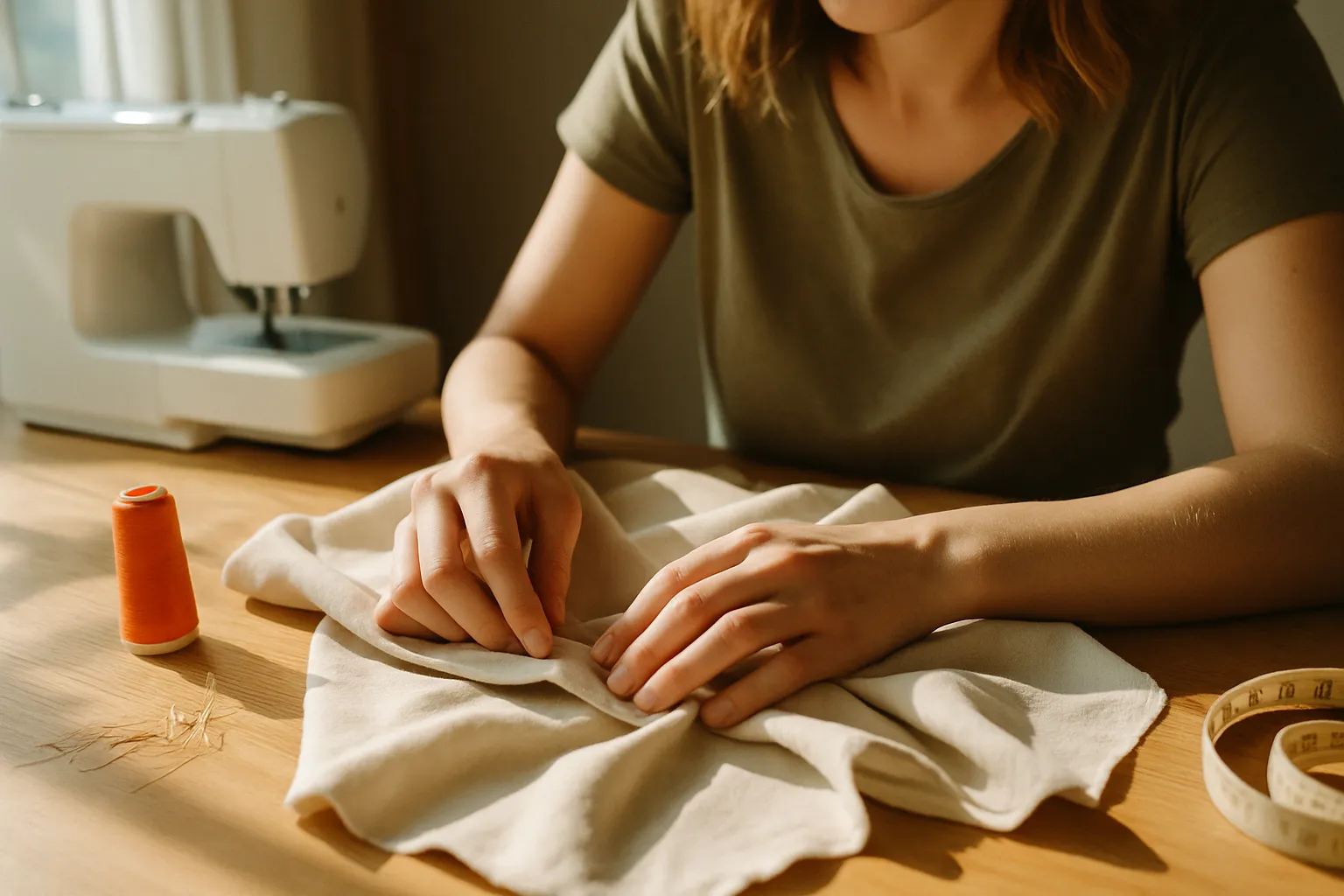
Do not wait for the planned interval when the machine tells you something has changed. Start with safe basics: install a fresh, correct needle, rethread the top thread and bobbin, confirm the settings, and clean approved areas. If the same problem returns, it is time for a technician.
Clunking, grinding, squeaking, or a motor that sounds strained deserves attention. Stop sewing if the handwheel becomes hard to turn or the needle strikes part of the machine. If you smell heat or see smoke, unplug the machine and seek professional help rather than forcing it through one more seam.
Skipped stitches, loops, uneven tension, and frequent thread breaks can begin with simple setup issues. A new needle and careful rethreading often reveal whether the problem is minor. When those steps do not restore a balanced stitch, the machine may need adjustment, cleaning in areas you cannot reach, or repair.
Fabric should feed in a steady, predictable way. If it stalls, pulls to one side, or moves in a way that settings cannot explain, stop and have it checked. An inconsistent foot control, flickering display, error message, or power problem also calls for professional service. Electrical work is never an at-home sewing-room task.
If a new needle, complete rethread, setting check, and approved cleaning solve the problem, continue sewing and watch for a repeat. If the problem returns, grows worse, or involves unusual sound, resistance, heat, or power, stop and arrange service. This rule keeps owner troubleshooting useful without letting it become risky guesswork.
Request a professional evaluation when basic troubleshooting does not solve the issue.
Owner maintenance supports professional service, but it does not replace it. Your manual defines what you can remove, clean, and oil. Modern machines differ, so advice that works for one model may harm another.
Do not open the housing, adjust internal timing, work on electrical parts, or add oil unless the manual clearly tells you where and how. Extra oil can attract lint or reach places where it does not belong. When you are unsure, a quick question to a trained technician protects both the machine and your next project.
Write down the date when you change the needle, clean the bobbin area, or notice a change in performance. Also record the type of project you were sewing. A short record helps you see whether a concern is a one-time setup issue or a repeating pattern. It also gives a technician useful context without asking you to remember every detail at drop-off.
Include the machine model and the date of its last professional service. Note whether the concern appears only with a certain needle, thread, fabric, stitch, or embroidery design. These details make the record more useful while helping you avoid changing several variables at once.
Professional service goes beyond wiping the outside and brushing the bobbin area. A technician can inspect areas that owners should not open, assess stitch formation and feed, check for wear, and make model-appropriate adjustments. The exact work depends on the machine and the issue, which is why clear notes and a stitch sample are helpful.
A trained eye may also find a developing concern before it becomes a larger failure. That supports more reliable starts, cleaner stitches, and fewer surprises when you sit down to sew. Rocky Mountain Sewing & Vacuum’s factory-trained technicians service most brands, including machines that were not purchased from us. For details about machine types and service options, visit our sewing machine service and repair page.
Bring the machine and power cord, plus the foot control and accessories requested by the service team. Include a sample that shows the stitch problem when possible. A note describing when the issue occurs, which thread and fabric you used, and what troubleshooting you tried can shorten the diagnostic conversation. Rocky Mountain Sewing & Vacuum accepts walk-in drop-offs at four Colorado stores, with no appointment necessary.
Plan backward from quilt shows, classes, holiday gifts, or a large embroidery run. A service visit before the pressure begins gives you time to test the machine and adjust your setup. It is far less stressful than hearing a new clunk with a deadline days away.
Write down when the problem happens, which stitch or design you used, and what troubleshooting you tried. Bring a sample that shows the issue and any accessories the service team requests. Clear details help the technician understand what you see at home.
Rocky Mountain Sewing & Vacuum supports Colorado makers through four stores. Find the shop that fits your route on our Colorado store locations page, then ask the team about current service timing and what to bring.
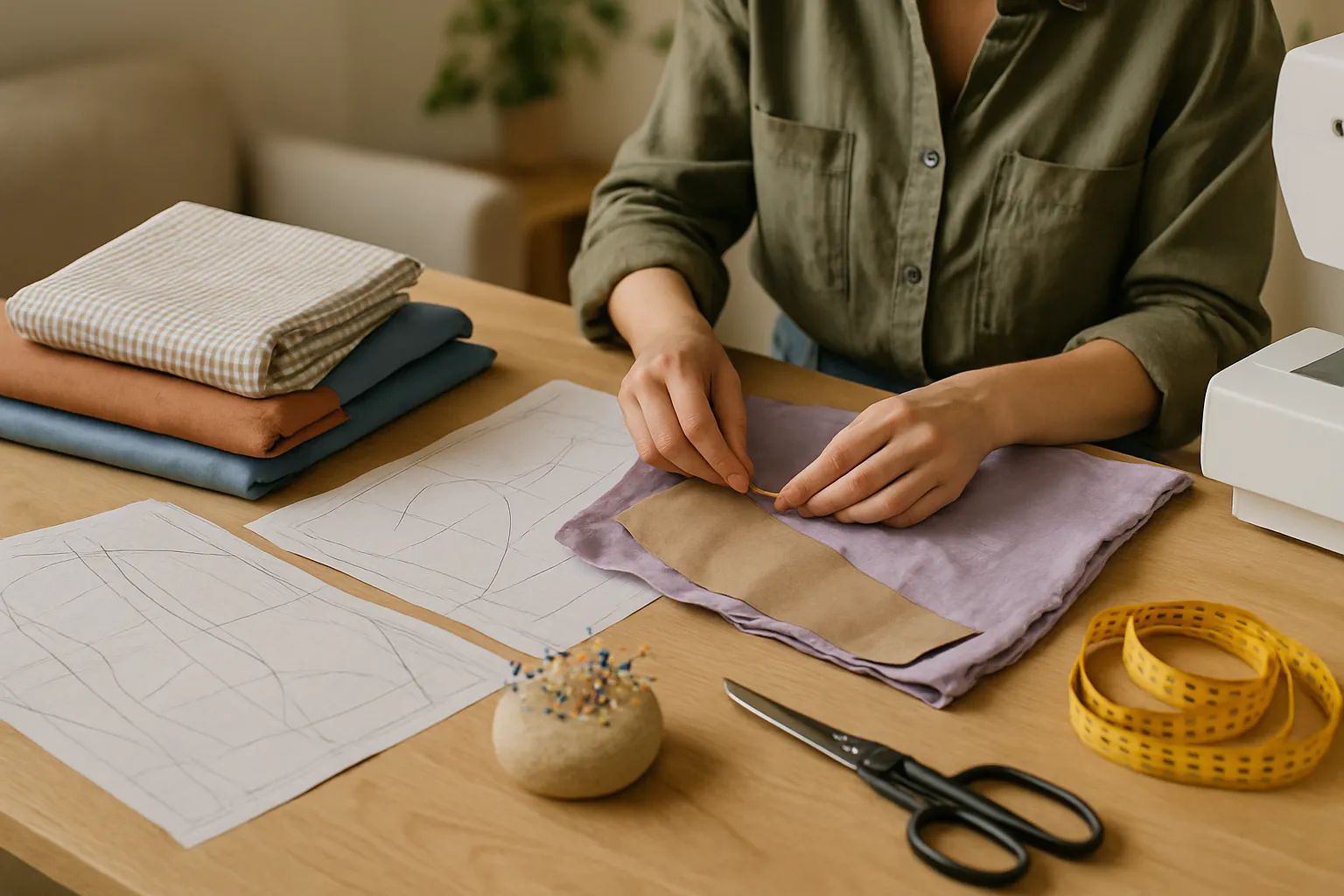
When your machine comes home, test it before beginning an important project. Use familiar thread and fabric so you can recognize how the machine feels. Sew a few straight and decorative stitches, listen to the sound, and inspect the result. This gives you confidence before you return to a deadline-driven WIP.
A machine that has sat unused for a long time may benefit from service before a major project. Dust, old lint, storage conditions, and aging materials can affect how it feels when it returns to work. Do not assume that low use means the machine is ready for a full day of sewing.
Start with a visual check and the safe steps in your manual. Inspect the cord and foot control, fit a new needle, clean approved areas, and turn the handwheel only as directed. Then test slowly on scrap fabric. Stop if you notice stiffness, new noise, a hot smell, an electrical concern, or poor stitches that basic setup does not fix.
Storage location matters, too. A machine kept covered in a stable indoor environment has a different history from one exposed to dust, moisture, or major temperature changes. If you do not know how a stored machine was treated, let a technician assess it before a full-day quilting or embroidery session.
Find your nearest Colorado store and bring in a machine that is due for care.
Look for a new sound, resistance, feed trouble, recurring thread breaks, skipped stitches, or tension problems that remain after a fresh needle, careful rethreading, and approved cleaning. Any electrical change or hot smell means you should stop using the machine and seek help.
You can perform the owner care listed in your manual. That often includes changing the needle, rethreading, and cleaning accessible areas. Internal adjustment, electrical work, housing removal, and unapproved oiling belong with a trained technician.
Lint, wear, or a small adjustment issue may keep getting worse. Stitch quality can decline, thread breaks may increase, and a machine can become less reliable. Timely care helps you address changes before they interrupt an important project.
Follow the maintenance and service guidance in the model’s manual, even when the machine is new. A new machine that develops recurring stitch, feed, sound, or power concerns deserves attention rather than repeated workarounds. Bring notes about the issue and ask the service team what information they need.
Usage, model guidance, and warning signs matter for both types, but their service needs can differ. Never assume that a care step for a mechanical model is safe for a computerized machine. Use the manual for owner care and let a trained technician handle internal or electrical concerns.
The right service interval gives you confidence to start the next quilt, garment, or embroidery design. Use annual service as a starting point, shorten the interval for heavy use, and never ignore a clear warning sign. If your machine is due or simply does not feel right, schedule sewing machine service with Rocky Mountain Sewing & Vacuum.


